 Get in touch
 English
 Deutsch
 中文简体
中文简体 Español

1. Introduction: Deconstructing AC Induction Motor Horsepower The AC Induction Motor is one of the m...
READ MOREIndustry News
2026-09-17
Content
An OEM engineer choosing between brushed and brushless options has to balance one hard trade-off: a brushless motor electric drive delivers 65-80% efficiency, but it also requires an electronic controller and a more careful thermal design.
At Jiangsu Retek Motion Co., Ltd., we build custom brushless motor electric solutions for medical tools, 3D printers, robotic lawn mowers, and industrial blowers. Our design process starts with your load profile and works backward to the motor frame, winding, and driver topology.
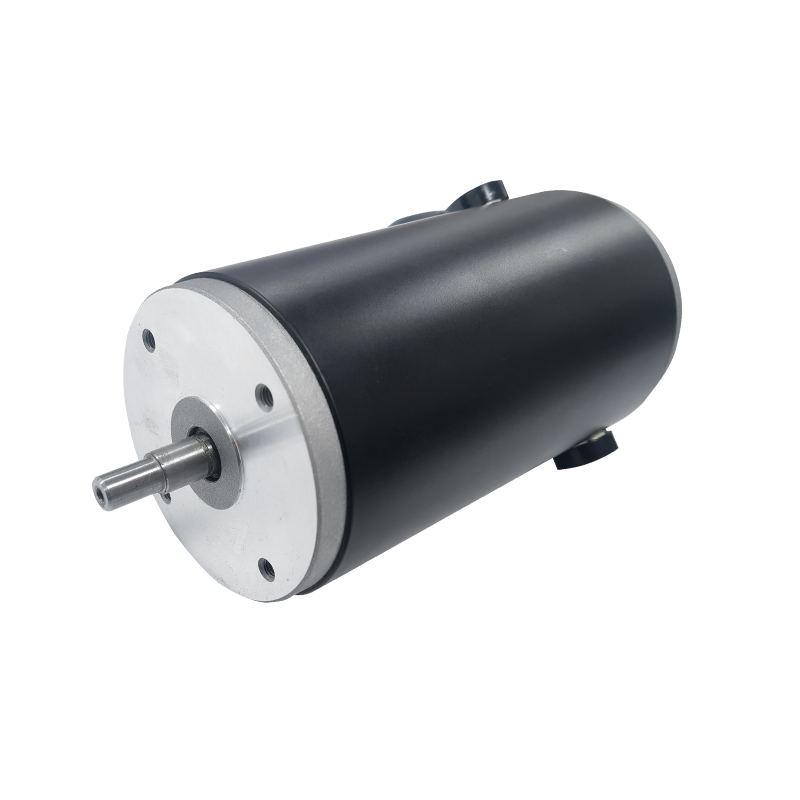
Brushless motor electric technology wins on efficiency because electronic commutation eliminates brush friction and arcing.
In a brushed motor, current flows through physical contacts, so energy is lost in the interfaces and the contacts wear out. In a brushless motor electric design, permanent magnets rotate and a controller drives stationary phase windings. The result is a lighter, quieter, and more controllable motor.
When we quote a BLDC for a 24V system, we look at the torque-speed curve and the motor thermal limit. Efficiency alone does not tell the full story; the controller must be able to recover energy when the load decelerates, and the driver needs to protect against overcurrent.
The four specs that determine brushless motor electric fit are frame size, voltage, torque constant, and the control interface.
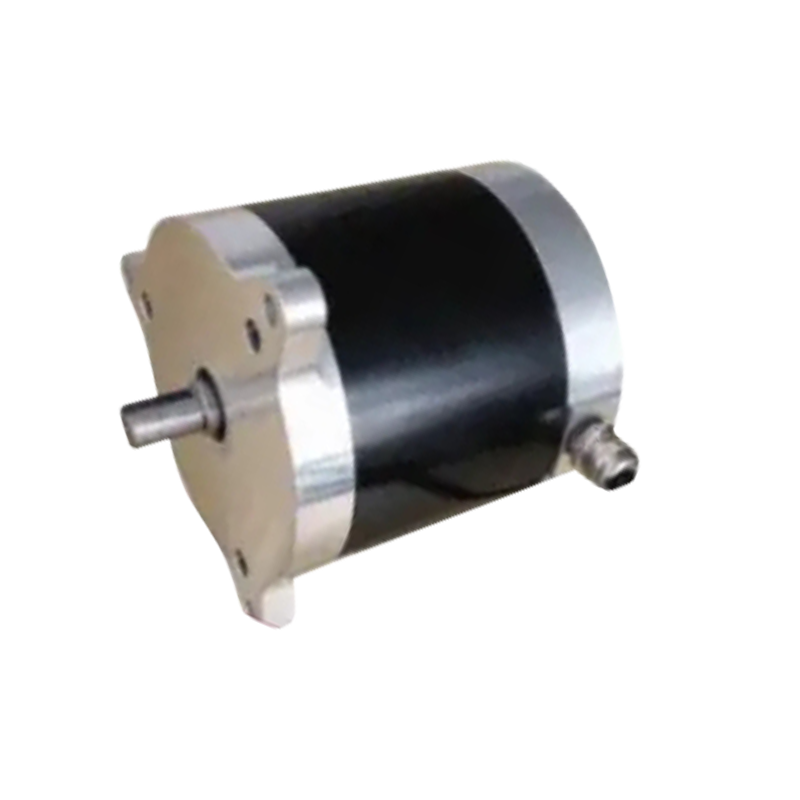
Frame size is the first cutoff. A 28mm BLDC suits digital tools and small pumps; a 42mm BLDC suits robotic lawn mowers and medical drills; a 57mm BLDC is common for automation and blowers; and an 80mm frame can drive industrial blowers and forklifts. Selecting a high-torque brushless DC motor often requires a larger frame or a gearbox.
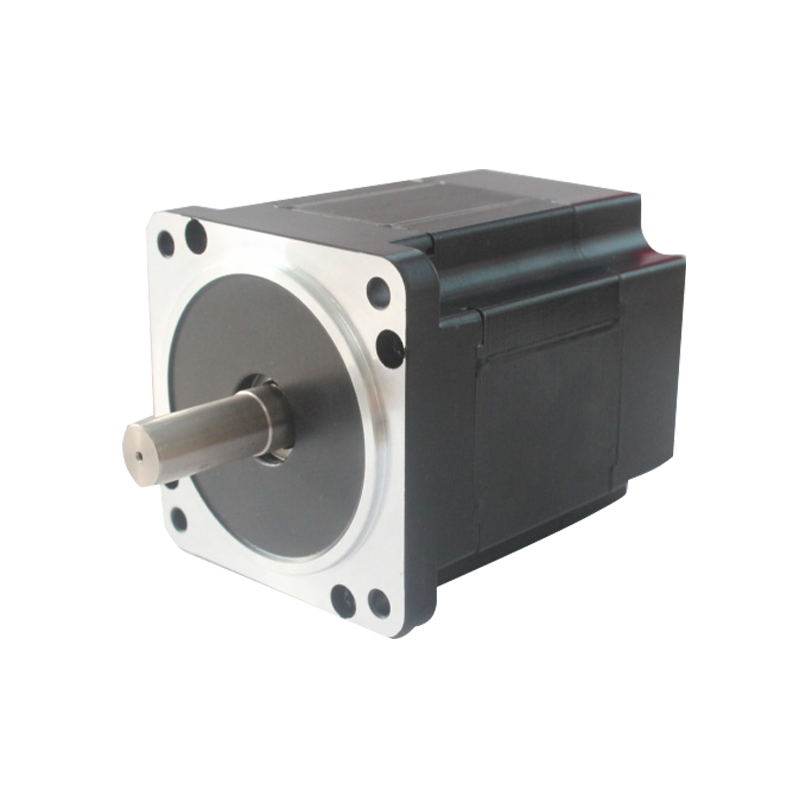
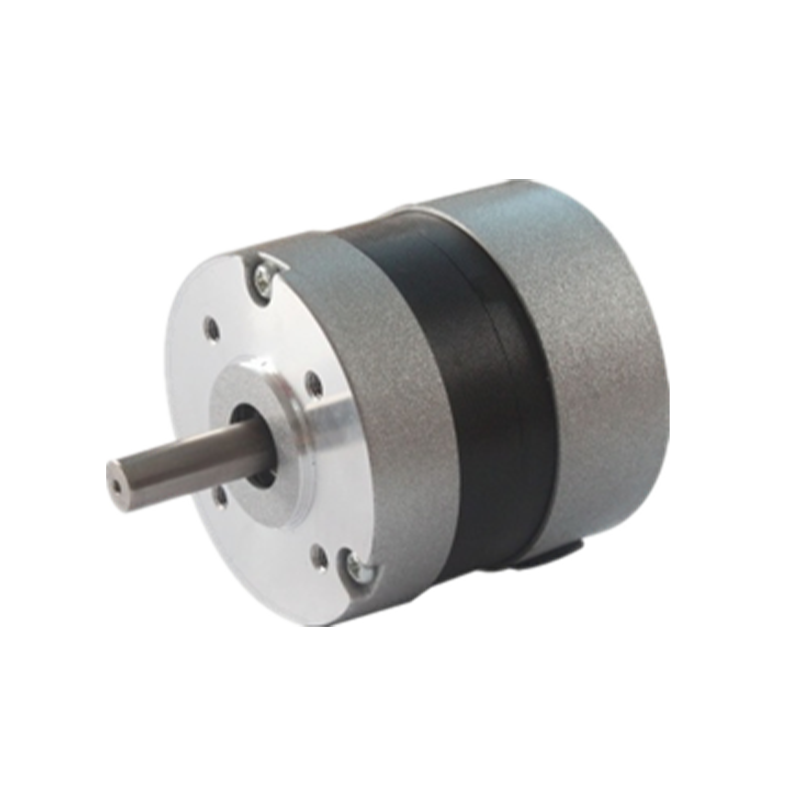 57mm Brushless DC Motor for Automation and BlowersThe BL57 offers a 57mm frame size suited for automation and blower applications, delivering high efficiency and low noise with a long service life. Its compact design provides high power density, making it a practical choice when a high-torque requirement is met through gearing or a larger frame.View Product →
| Frame | Voltage | Power range | Typical use |
| 28mm | 24V | 20-80W | Power tools, digital tools |
| 42mm | 24V-48V | 60-180W | Robotic mowers, medical drills |
| 57mm | 24V-310V | 80-400W | Automation, pumps, blowers |
| 80mm | 24V-310V | 0.3-1.5kW | Industrial blowers, fork lifts |
A reliable supplier will validate brushless motor electric specs with a load test before committing to production.
We manufacture BLDC motors, die-cast housings, CNC-machined shafts, and cable harnesses in one factory. This lets us control tolerances across the whole assembly, not just a single part. With in-house motors, die casting, CNC, and cable molding, a custom frame can move from RFQ to sample without a chain of subcontractors.
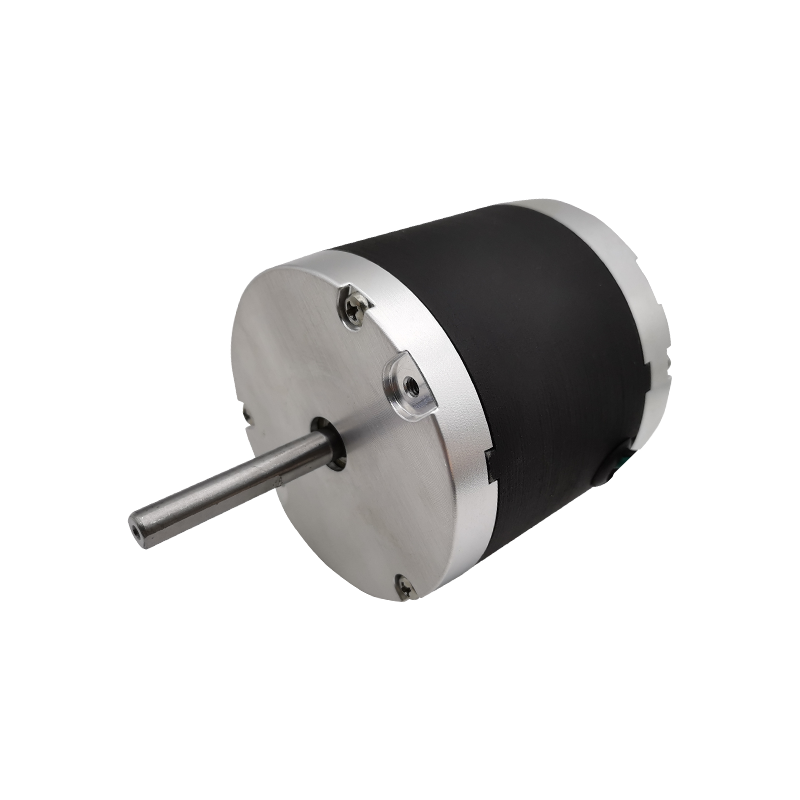
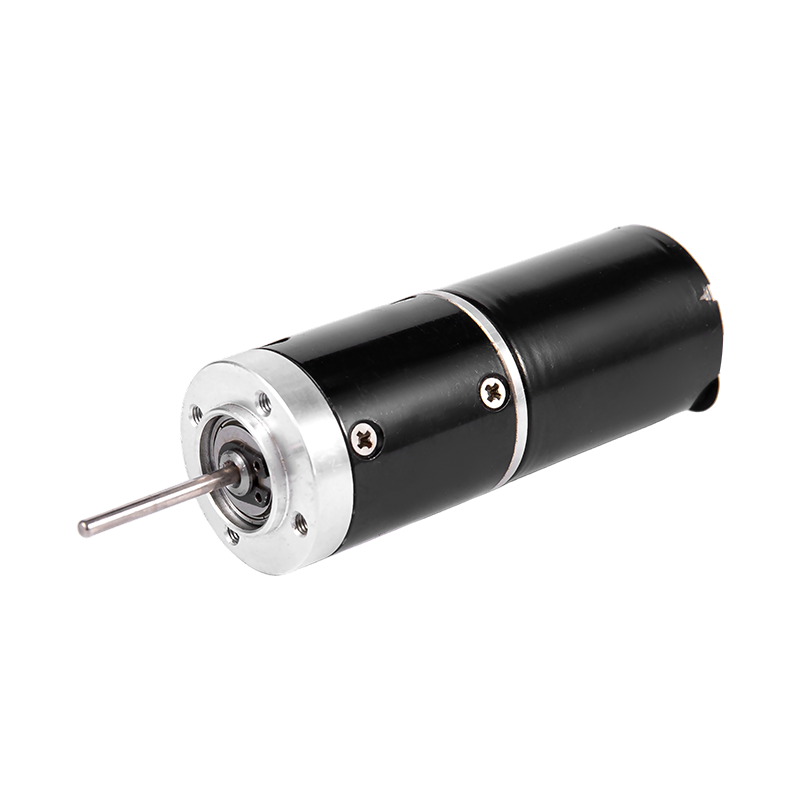 28mm Brushless DC Motor for Electric Power ToolsThis 28mm brushless motor is designed for electric power tools, providing high power output and durability. Its compact size simplifies integration into hand tools, while the brushless design reduces maintenance and enhances efficiency. Ideal for demanding tool applications.View Product →
An RFQ should include the load profile, duty cycle, ambient temperature, and the space envelope available. With those facts, we can produce samples with a defined efficiency target and a vibration limit.
Not always. A brushed motor is cheaper and simpler at low power, but it has brush wear and lower efficiency. Choose brushless when the application needs long maintenance intervals, quiet operation, or high efficiency.
No. Electronic commutation is mandatory. However, a BLDC with an integrated controller removes an external board, reduces wiring, and simplifies assembly for many OEM designs.
24V is standard for battery-powered and mobile equipment. 310V is common for higher power with an AC supply. 12V is useful for small fan motors and compact personal care products.
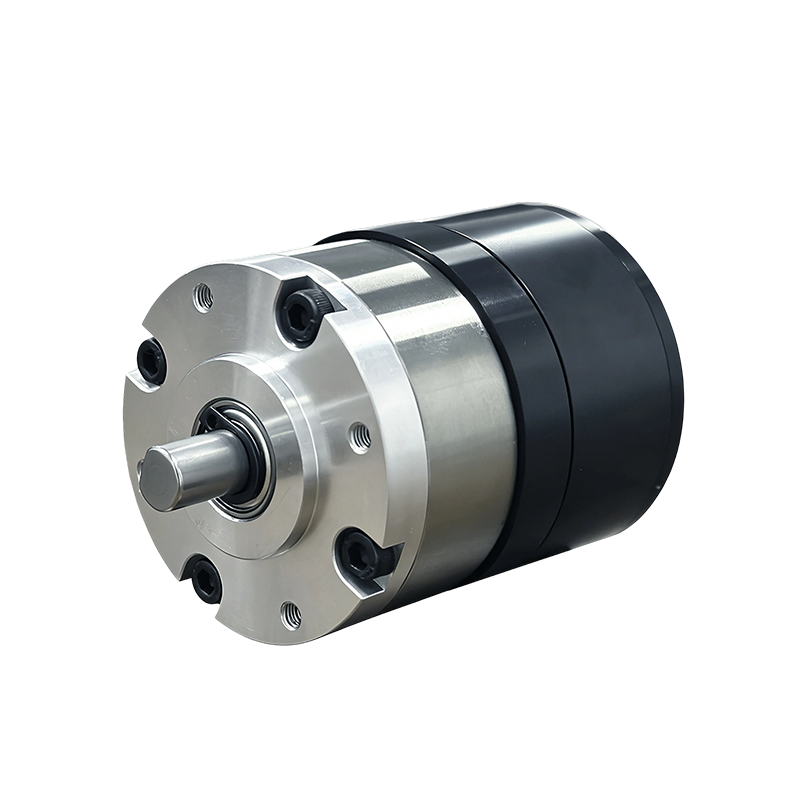
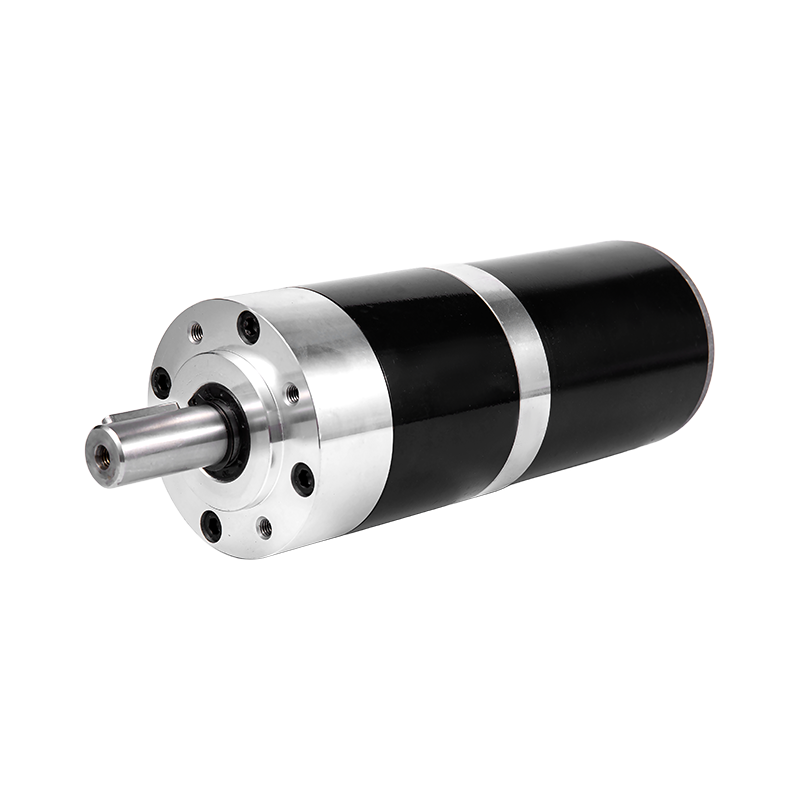
Match the gearbox rated torque to the motor peak torque, not just the continuous rating. Then verify the gearbox input speed can handle the motor maximum speed without excessive noise.
1. Introduction: Deconstructing AC Induction Motor Horsepower The AC Induction Motor is one of the m...
READ MORE1. Introduction In modern industrial automation, data center construction, consumer electronics upgr...
READ MOREStepper motors represent a cornerstone of modern motion control, offering precise positioning and re...
READ MOREThe industrial motor landscape is undergoing a significant transformation, driven by the relentless ...
READ MORERelated Products
Building 10, No.199, Jinfeng Road, Suzhou High-tech, Jiangsu Province, China
+86-133 3869 4967
+86-512 6876 9967
sean@retekmotion.com
rsgrivic@126.com
 WhatsApp
Copyright © Jiangsu Retek Motion Co., Ltd. All Rights Reserved. Custom OEM Industrial Multi Rotor Drone Motors Manufacturers