 Get in touch
 English
 Deutsch
 中文简体
中文简体 Español

1. Introduction: Deconstructing AC Induction Motor Horsepower The AC Induction Motor is one of the m...
READ MOREIndustry News
2026-09-10
Content
You have a 24mm brushed motor in a handheld surgical drill that weighs 60 g, delivers 8 W at 12,000 rpm, and needs its first brush replacement after about 1,500 hours of service. The electromagnetic noise from the commutator is already interfering with the Hall-effect sensor in the same housing. This is the kind of design pain point that pushes an OEM team toward a mini brushless motor: you keep nearly the same envelope, gain 12 to 15 percentage points of efficiency, and extend continuous running life to more than 20,000 hours.
This guide is written for product engineers and technical buyers who need practical selection advice, not a catalogue dump. It covers what a mini brushless motor actually is, the specifications that decide the outcome, and the mistakes that cost the most on a production program.
A mini brushless motor is a compact, electronically commutated DC motor with a rotor diameter roughly between 15 mm and 50 mm, using neodymium magnets on the rotor and a three-phase stator winding that a controller switches in sequence. There are no brushes to wear out and no mechanical commutator to generate sparks or electromagnetic noise.
The defining feature is electronic commutation: a controller sends current through the stator phases in a sequence timed to the rotor position, sensed by Hall-effect sensors or derived from the back-EMF.
In practice, the mini range includes several architectures. Coreless BLDC motors remove the iron from the stator, which cuts cogging and suits high-speed micro actuators in 22 mm and smaller frames. Iron-core BLDC motors use a laminated stator and deliver higher torque density, dominating the 28 mm to 50 mm range. Both produce the same kind of motion, but their torque ripple, cogging, and cost profiles are different enough to change the final selection.
For a compact product that runs continuously or relies on a battery, a mini brushless motor is the better starting point in the majority of OEM designs. The gain is not raw torque in the same frame size; it is efficiency, service life, and controllability, which translate directly into smaller batteries, cooler housings, and longer maintenance intervals.
| Parameter | Brushed DC | Mini Brushless |
| Typical efficiency | 72-78% | 85-90% |
| Operating life | 1,000-3,000 h | 20,000+ h |
| Noise | Commutator whine | Nearly silent |
| EMI level | Higher | Lower |
| Speed control | Simple PWM | Need controller |
You can define the right motor from four numbers: the load torque at the operating speed, the continuous run time, the available supply voltage, and the maximum allowed case temperature rise. Once those are fixed, the frame size and winding architecture follow.
The frame diameter drives the continuous torque you can expect from the motor. A 22 mm coreless brushless motor in the WC-22 series is built for high speed and very low cogging torque, which makes it a good match for micro actuators and small blowers. A 28 mm iron-core BLDC motor for power tools accepts a higher stall current and delivers more torque per amp than a coreless design, at the cost of a small amount of cogging.
Most compact OEM products run on 12V, 24V, or 36V battery packs. Increasing the supply voltage lowers the current needed for the same power, which reduces copper losses in the winding, cable, and controller. A 24V motor is the default for handheld tools and robots, while 12V suits small fans and personal care devices.
The motor must be rated for the continuous torque at the target speed, not for the peak torque at stall. If the duty cycle includes 50% or more of full load, the continuous torque curve becomes the deciding factor, not the stall rating that appears in the specification table.
Mini brushless motors are available with or without Hall sensors. Sensored motors are easier to control at low speed and for precise position holding. Sensorless operation saves two wires and a little cost, but needs a higher starting speed and shows more ripple at low RPM.
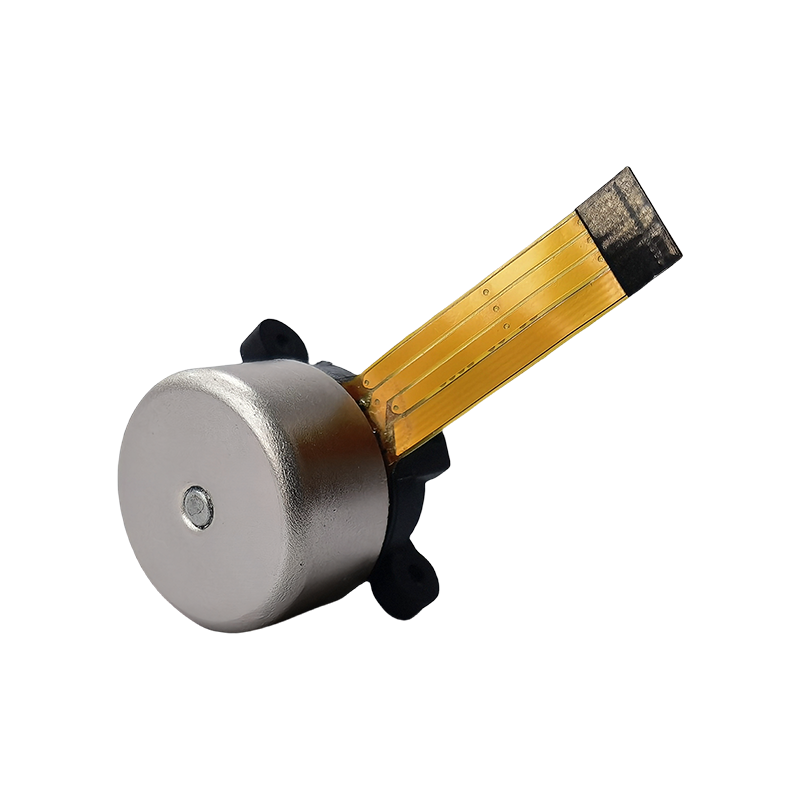
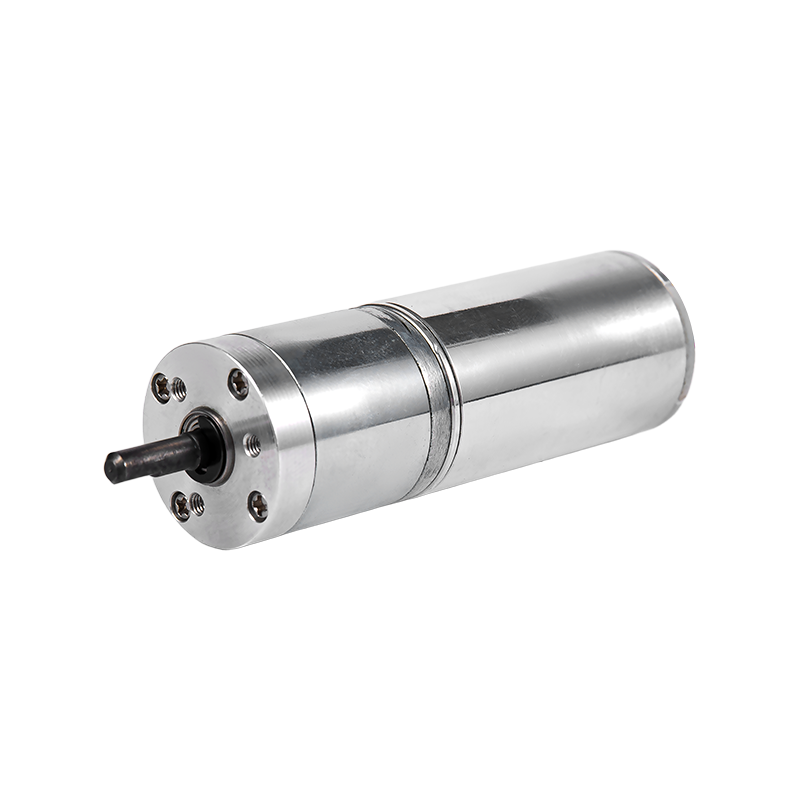 Coreless Brushless DC Motor, 22mm Diameter, WC 22 SeriesThis compact coreless brushless motor offers high efficiency and smooth operation for battery-powered devices. Its low vibration and noise make it suitable for quiet, space-constrained applications, and sensor options can be selected based on low-speed control needs.View Product →
Mini brushless motors are already inside products users touch every day. The common thread is a compact envelope, battery power, and a demand for quiet, long-lasting motion.
The most common single cause of a failed application is not the motor but the driver: a controller tuned for a low PWM frequency can introduce audible whine in a medical device that must stay under 40 dB at one meter.
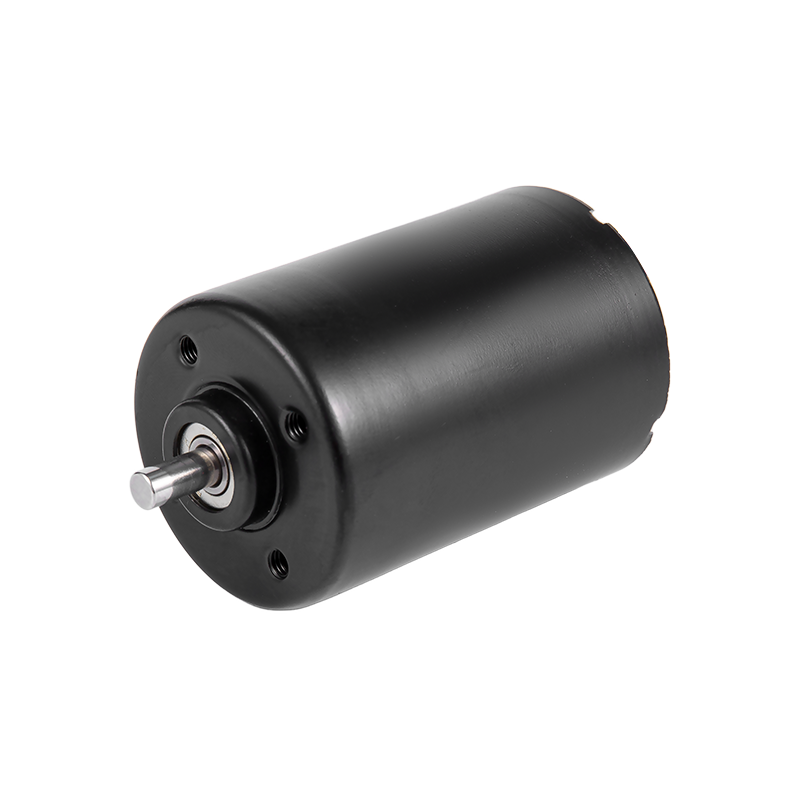
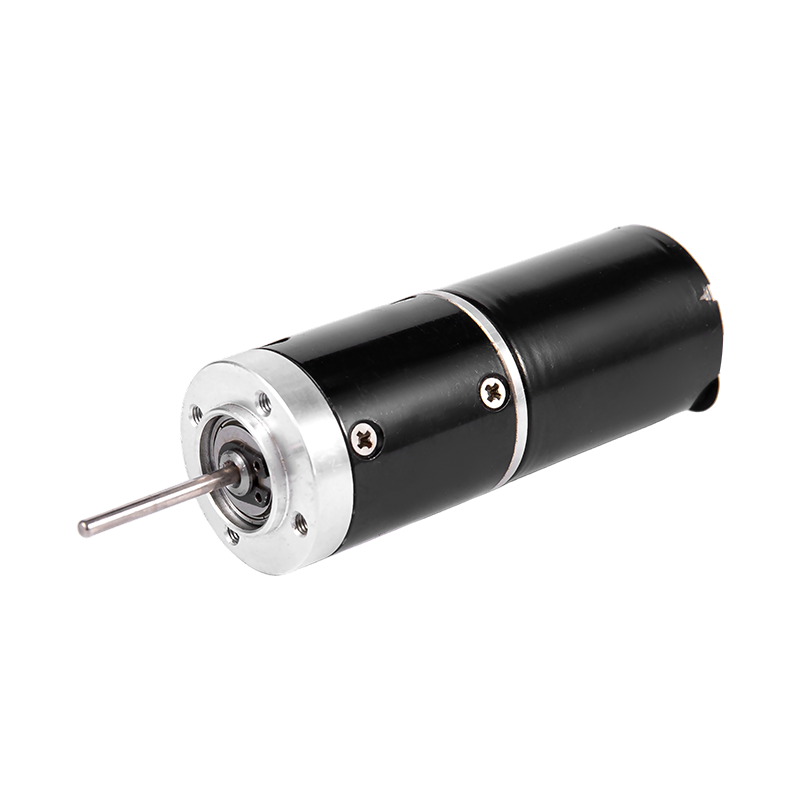 Brushless DC Motor for Electric Power Tools, 28mm Diameter W28 SeriesDesigned for demanding power tool tasks, this 28mm brushless motor delivers high output and long-lasting performance while reducing maintenance. Proper driver tuning, such as PWM frequency, is essential to avoid audible noise in sensitive applications.View Product →
Integration is a five-step sequence. If you skip the first step, the remaining four become more expensive and the final product carries a hidden risk.
For a digital tool or medical drill that needs a quiet, high-speed spindle, a 36 mm BLDC motor is a practical starting point for the electrical and mechanical envelope.
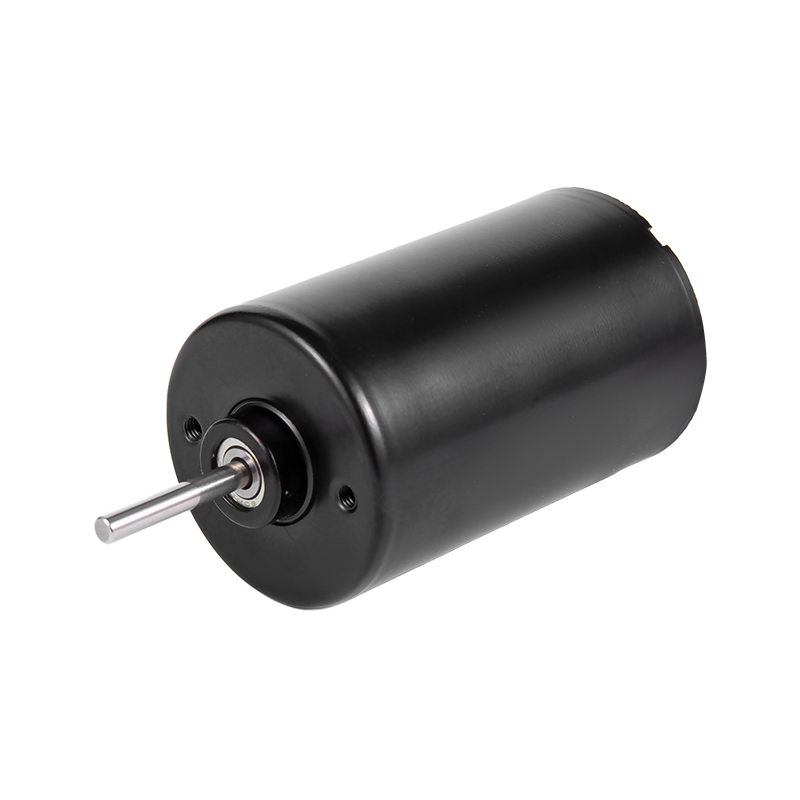 Brushless DC Motor for Digital Tools, 36mm Diameter W36 SeriesThis 36mm brushless motor provides efficient, quiet operation for digital tools and medical drills requiring a high-speed spindle. Its compact size allows easy integration, but early consideration of shaft, gearbox, and connector assembly is critical to avoid prototype issues.View Product →
Production frames start around 15 mm rotor diameter, and micro planetary gear motors go down to 8 mm. The practical limitation is usually the driver electronics and the smallest wire and connector that can carry the current.
No. A brushless motor needs an electronic commutator between the battery and the stator. Some brushless fan motors include a compact integrated controller in the motor housing, so only DC power and a speed command are required.
A well-designed mini brushless motor in a clean enclosure can run more than 20,000 hours. A brushed motor of the same size typically needs brush replacement after 1,000 to 3,000 hours, and the commutator eventually wears the armature.
Yes. A supplier like Jiangsu Retek Motion Co., Ltd. that controls winding, precision machining, and cable moldings in-house can deliver a tested motor sample with the shaft, gearbox, and connector already matched to your design.
1. Introduction: Deconstructing AC Induction Motor Horsepower The AC Induction Motor is one of the m...
READ MORE1. Introduction In modern industrial automation, data center construction, consumer electronics upgr...
READ MOREStepper motors represent a cornerstone of modern motion control, offering precise positioning and re...
READ MOREThe industrial motor landscape is undergoing a significant transformation, driven by the relentless ...
READ MORERelated Products
Building 10, No.199, Jinfeng Road, Suzhou High-tech, Jiangsu Province, China
+86-133 3869 4967
+86-512 6876 9967
sean@retekmotion.com
rsgrivic@126.com
 WhatsApp
Copyright © Jiangsu Retek Motion Co., Ltd. All Rights Reserved. Custom OEM Industrial Multi Rotor Drone Motors Manufacturers