 Get in touch
 English
 Deutsch
 中文简体
中文简体 Español

1. Introduction: Deconstructing AC Induction Motor Horsepower The AC Induction Motor is one of the m...
READ MOREIndustry News
2026-08-24
Content
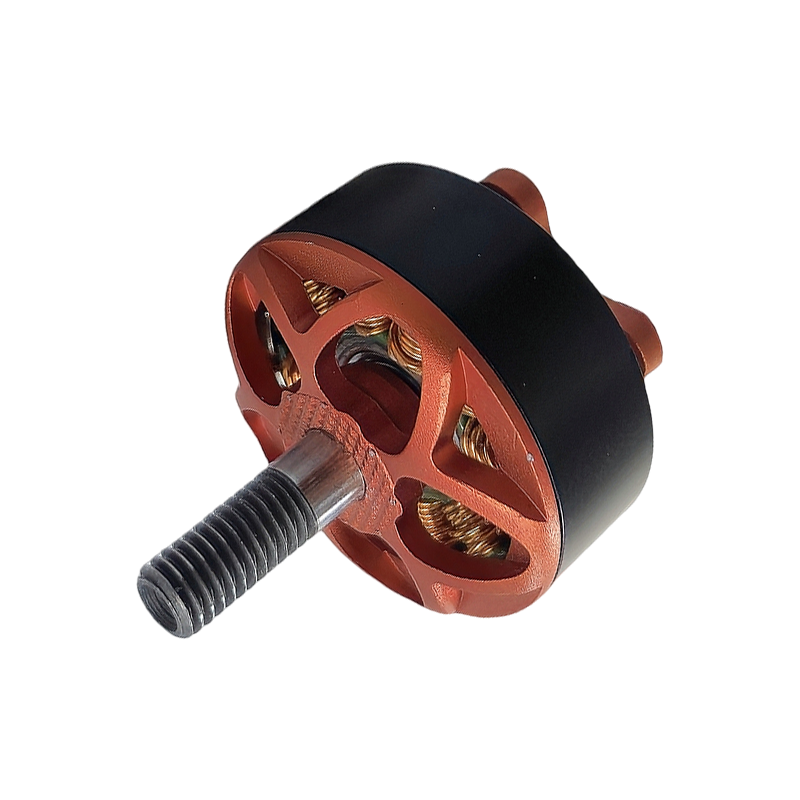
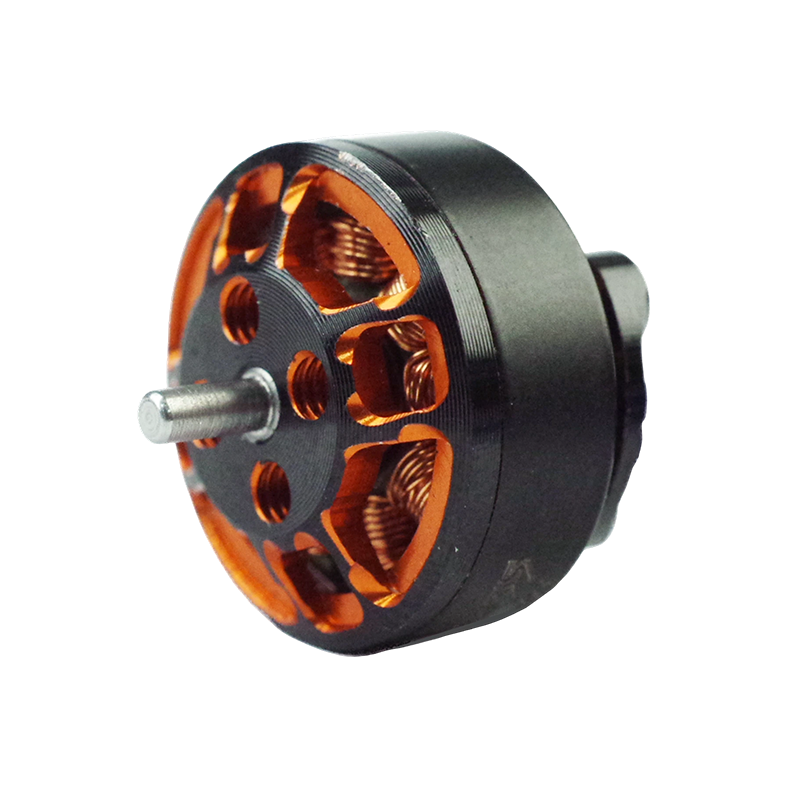
Choosing a brushless motor for racing drone builds isn't about picking the highest KV or the shiniest bell. The motor is the heart of your drone propulsion system, and its performance ties directly to battery voltage, propeller load, and frame weight. A solid fpv brushless motor selection guide always starts with two questions: what voltage will you fly, and what propeller size does your frame support? From there, KV and stator size fall into place naturally.
Before diving into numbers, understand that fpv racing motor performance depends on the entire powertrain. A 2207 motor that screams on 6S with light triblades might feel lazy on 4S with the same prop. Matching components correctly yields a setup that runs cool, responds instantly, and survives full-throttle track sessions without demagnetizing.
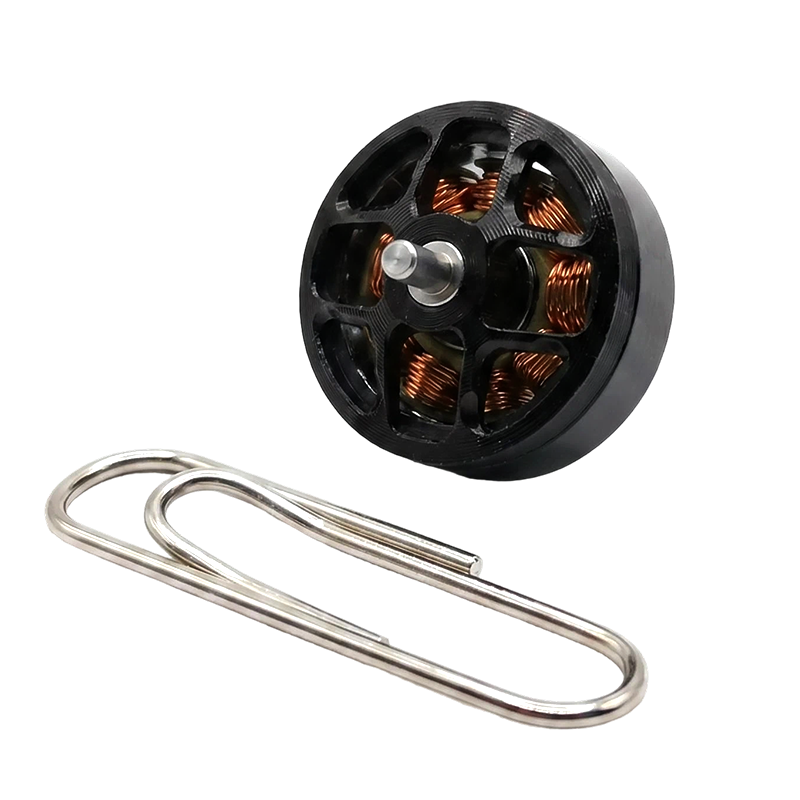
The 4s vs 6s fpv motor debate is really about power density versus weight. A 6S setup pushes higher voltage, which means you can run lower KV motors to achieve similar RPM while drawing less current. This directly improves fpv motor efficiency and reduces voltage sag during aggressive punches. For a 5-inch racing quad, a 6S 1750KV motor pulls roughly the same RPM as a 4S 2600KV motor but at significantly lower amps, keeping components cooler.
Your drone motor voltage selection also shapes the entire build. 4S batteries are cheaper and lighter, making them attractive for budget builds or ultralight rigs where every gram counts. 6S delivers more consistent power through the entire flight and unlocks higher peak thrust without overheating the motor. Most competitive pilots now standardize on 6S for 5-inch racing, but 4S remains relevant for smaller prop sizes and specific weight-sensitive classes.
There is no single best kv motor for fpv drone flying — the right KV balances your battery voltage and propeller size. As a rule of thumb, multiply your pack voltage by KV to estimate unloaded RPM, then expect real-world RPM under load to drop by 20–30%. For smooth control and quick response, target a loaded RPM range that keeps the prop tips subsonic and efficient.
The table below summarizes widely tested KV ranges across common voltages and prop sizes, forming the practical core of any uav brushless motor selection process.
| Prop Size | 4S LiPo (14.8V) | 6S LiPo (22.2V) | Typical Motor Stator |
|---|---|---|---|
| 3 inch | 3500–4000KV | 2000–2500KV | 1404, 1507 |
| 5 inch | 2400–2700KV | 1700–1950KV | 2207, 2306 |
| 7 inch | 1800–2000KV | 1200–1500KV | 2806.5, 2807 |
Stick within these windows when you choose an fpv drone motor and your powertrain will run efficiently from the first hover test. A 5-inch 6S build with 1950KV motors and aggressive props can deliver over 1600 grams of thrust per motor while staying well within safe current limits.
Effective fpv motor and propeller matching means the motor can spin the chosen prop at high RPM without excessive current draw or heat buildup. A prop with more blades, higher pitch, or larger diameter increases load. If you mount a heavy 5.1-inch tri-blade on a tiny 2004 motor, you'll overheat it in seconds. Conversely, a high thrust drone motor like a 2207 on 6S can handle steep pitch props and still recover RPM instantly after tight corners.
Check the manufacturer's thrust table for your prop and voltage combination. Look for the point where efficiency peaks — typically around 50–70% throttle — and ensure your cruising RPM sits near that sweet spot. A well-matched brushless motor for racing drone gives linear throttle response with no stuttering or desyncs, even when you jam the stick from zero to full in a split-second gate dive.
FPV motor efficiency isn't just about flight time — it's about how much thrust you get per amp pulled. A motor that demands 50A to produce 1500g of thrust will sag your battery hard after the first lap. A more efficient design delivers the same thrust at 42A, keeping voltage higher and lap times consistent. Look for motors with N52 or N54 curved magnets and tight air gaps; these details significantly reduce magnetic flux leakage and improve torque-per-watt.
For those chasing maximum fpv racing motor performance, a high thrust drone motor in the 2207 1950KV class on 6S with aggressive 5-inch triblades routinely hits 1600g static thrust at under 45A. Four of these push a 650g quad past a 9:1 thrust-to-weight ratio. That's the kind of power that makes you rethink your rates. Just remember that the entire drone propulsion system — ESC, battery C-rating, and wiring — must handle the peak current without bottlenecking the motor.
Applying a clear fpv brushless motor selection guide eliminates guesswork. Follow this sequence when you choose an fpv drone motor for any new build:
This approach works whether you're selecting a uav brushless motor for a long-range cruiser or a brushless motor for racing drone chasing championship podiums. The physics don't change — only your target thrust-to-weight ratio and endurance requirements do.
1. Introduction: Deconstructing AC Induction Motor Horsepower The AC Induction Motor is one of the m...
READ MORE1. Introduction In modern industrial automation, data center construction, consumer electronics upgr...
READ MOREStepper motors represent a cornerstone of modern motion control, offering precise positioning and re...
READ MOREThe industrial motor landscape is undergoing a significant transformation, driven by the relentless ...
READ MORERelated Products
Building 10, No.199, Jinfeng Road, Suzhou High-tech, Jiangsu Province, China
+86-133 3869 4967
+86-512 6876 9967
sean@retekmotion.com
rsgrivic@126.com
 WhatsApp
Copyright © Jiangsu Retek Motion Co., Ltd. All Rights Reserved. Custom OEM Industrial Multi Rotor Drone Motors Manufacturers