
 Get in touch
 English
 Deutsch
 中文简体
 Español

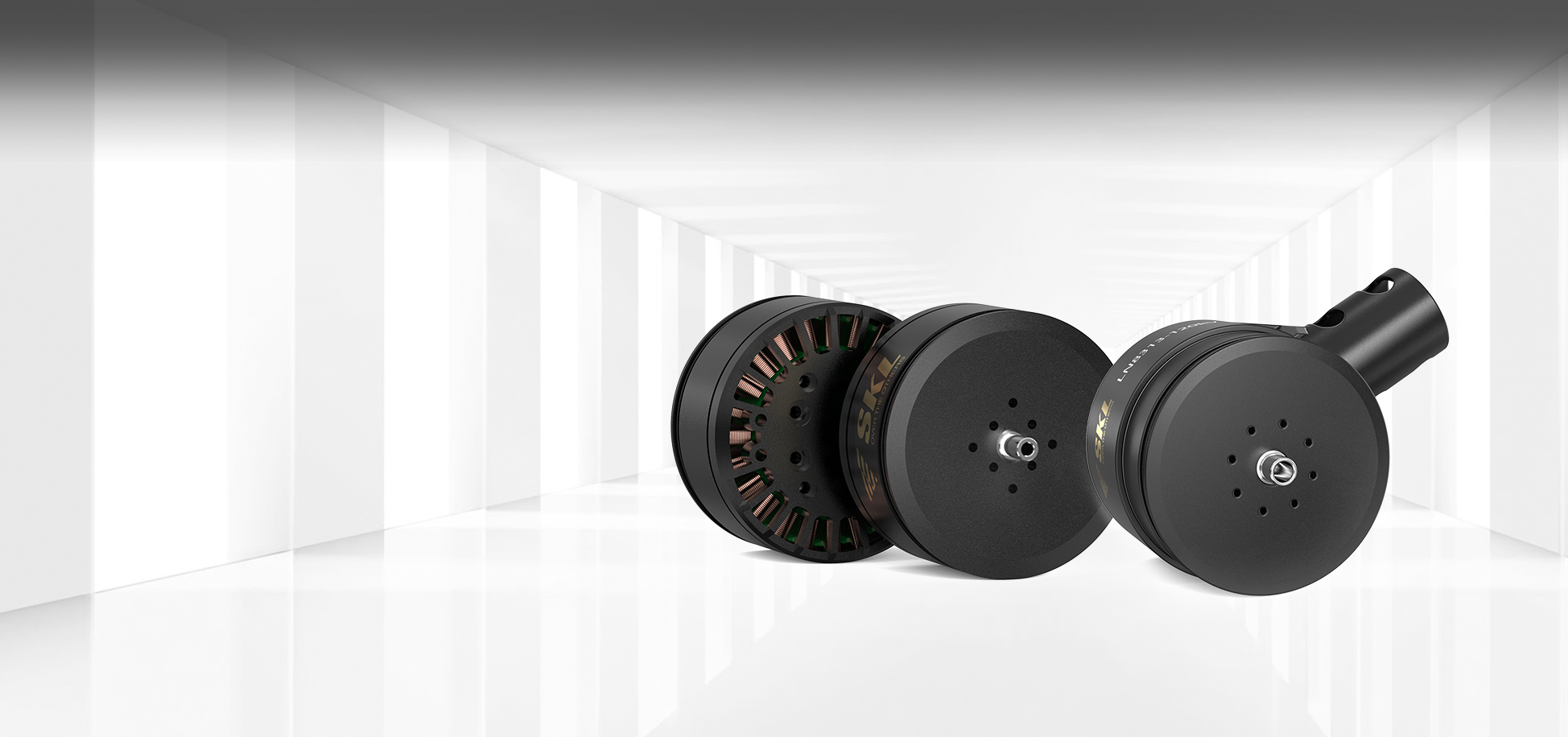
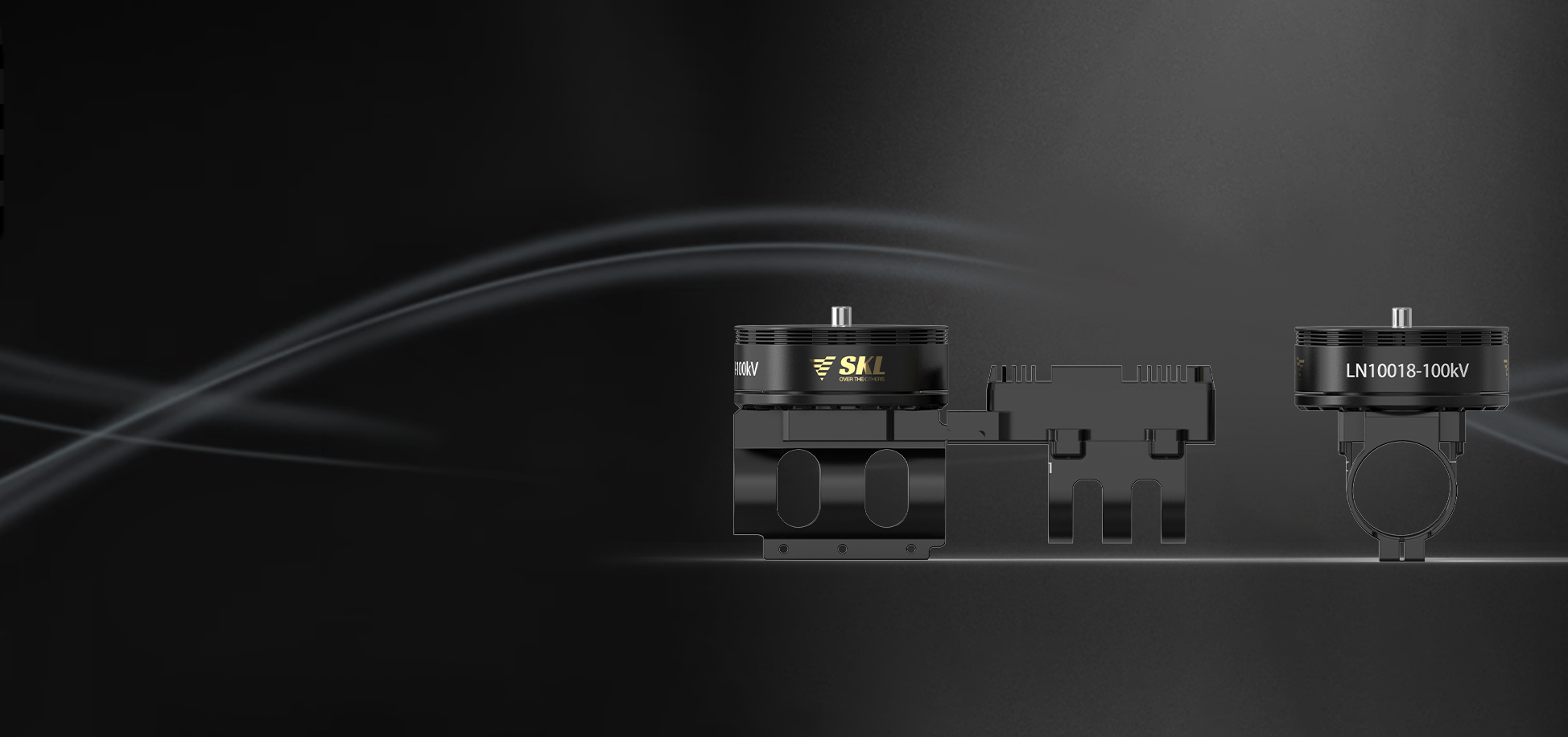
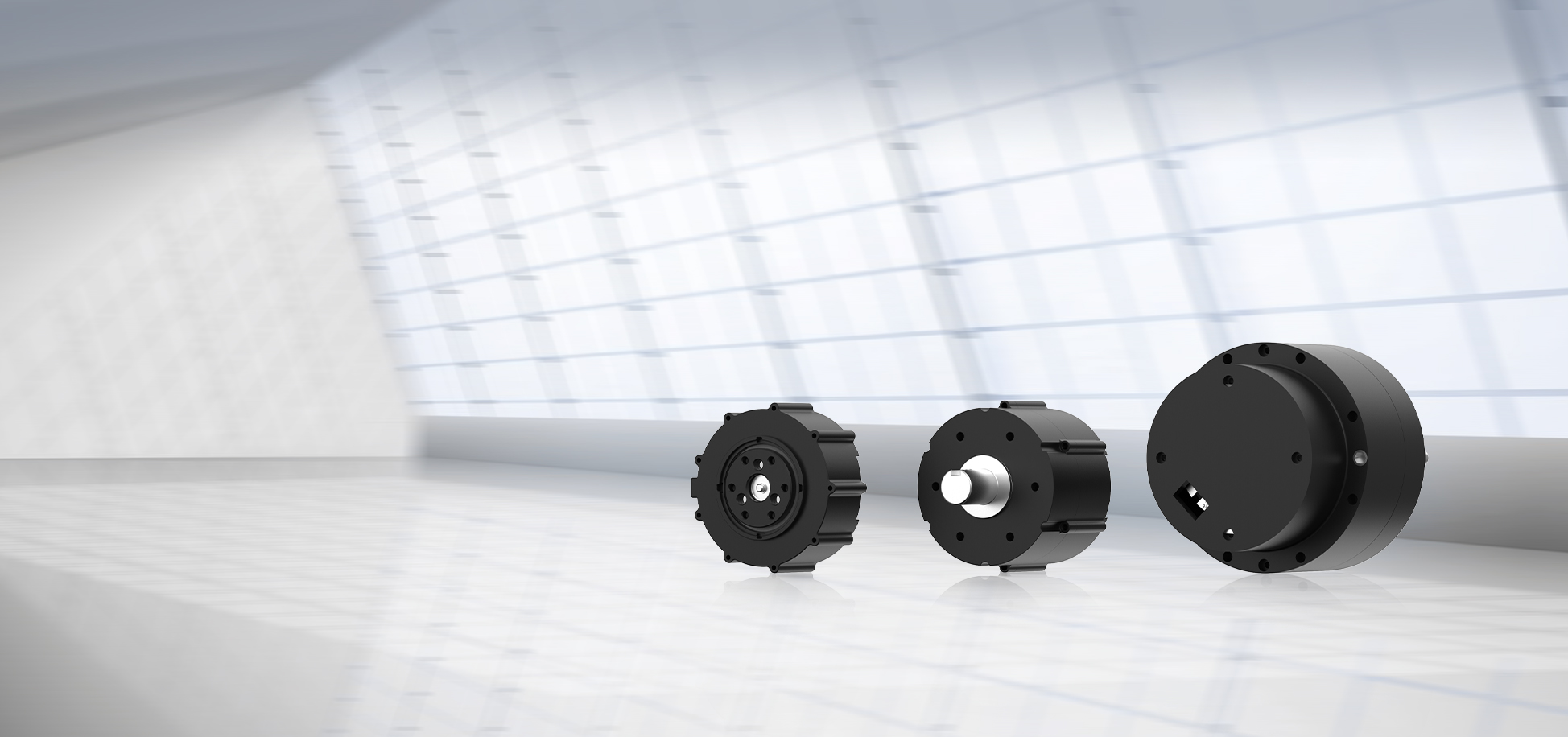
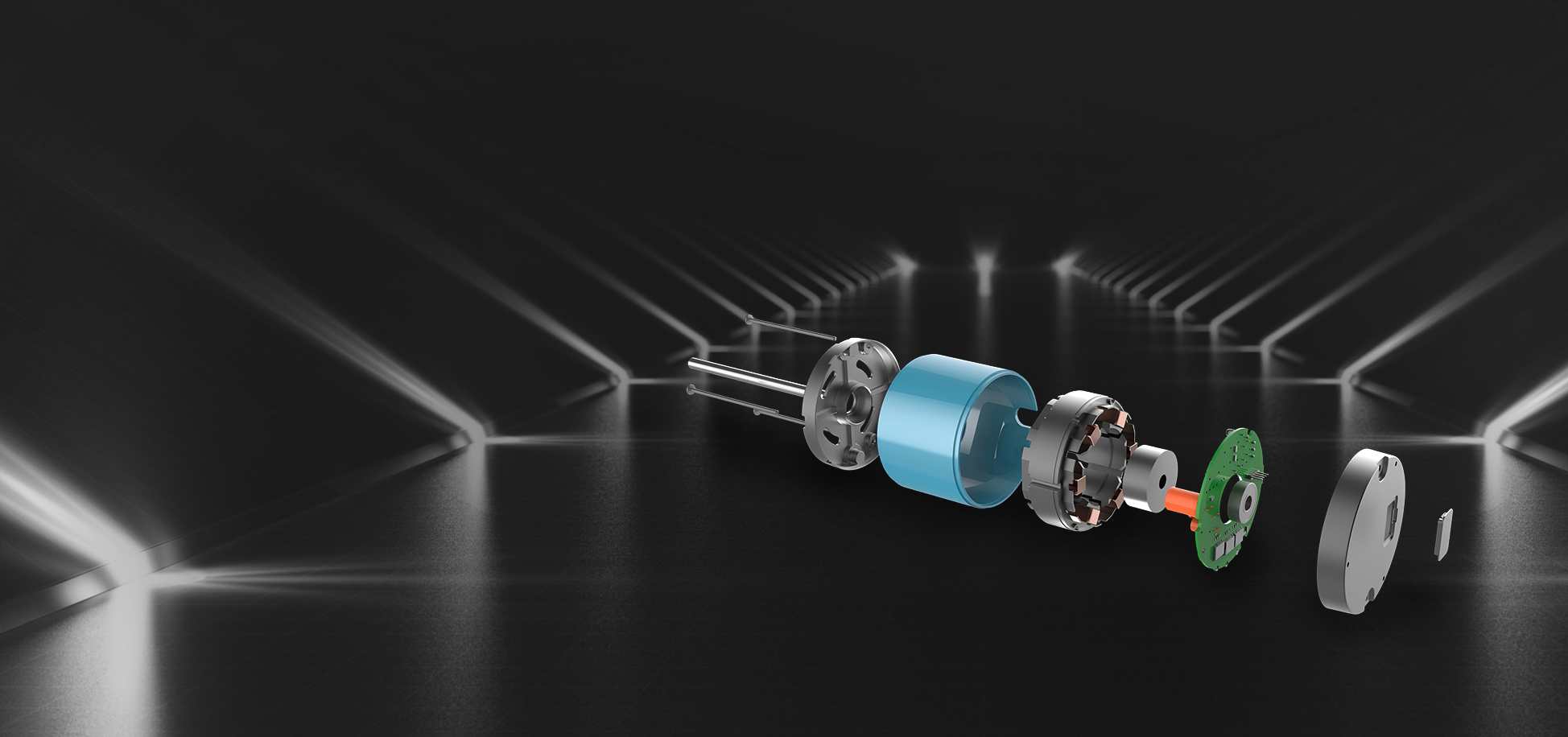
Unlike other motor suppliers, Retek engineering system prevents the selling of our motors and components by catalogue as every model is customized for our customers. The customers are assured that every component they receive from Retek is designed with their exact specifications in mind. Our total solutions are a combination of our innovation and a close working partnership with our customers and suppliers.
As China Humanoid Robot Joint Motors Manufacturers and Wholesale Humanoid Robot Joint Motors OEM/ODM Suppliers, Retek business consists of three platforms: Motors, Die-Casting and CNC manufacturing and wire harness. Retek products are widely supplied for residential fans, vents, boats, airplanes, medical facilities, laboratory facilities, trucks and other automotive machines.
Welcome to send us an RFQ, it is believed you will get the best cost-effective products and services here!
Overview
Humanoid robot joint motors are specified around joint torque density, low rotor inertia and precise position control within a compact envelope. A humanoid platform places a motor, gearbox, encoder and drive inside a joint housing that must fit the limb shape, so the actuator is designed as one unit rather than as a motor selected after the joint is fixed.
Construction
These joints use brushless or coreless motors combined with planetary or cycloidal gearboxes, magnetic or optical encoders, and integrated or external drives. Frame sizes range from 20 to 130 mm, and housing geometry follows the limb envelope with mounting flanges adapted to the joint bracket.
Torque and Inertia Balance
A humanoid joint needs high torque for lifting and low reflected inertia for safe interaction. Gear ratio raises joint torque but also reflects rotor inertia back to the joint, so motor inertia and gear ratio are selected together against the required bandwidth and the safety behaviour on contact.
Duty Cycle and Thermal Behaviour
Walking and manipulation cycles alternate acceleration peaks with near-zero hold torque. The motor is specified against the RMS torque of the cycle, and the thermal path from winding to housing is treated as part of the joint design because the limb envelope limits airflow.
Related Products
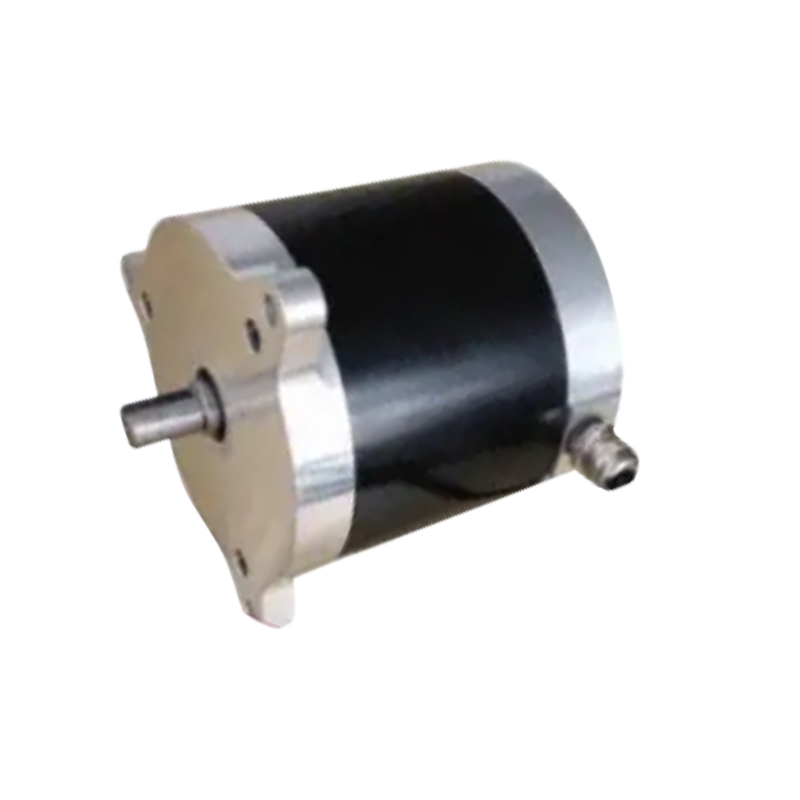
BL100 100mm diameter electric forklift motor with 24VDC 300W
View Details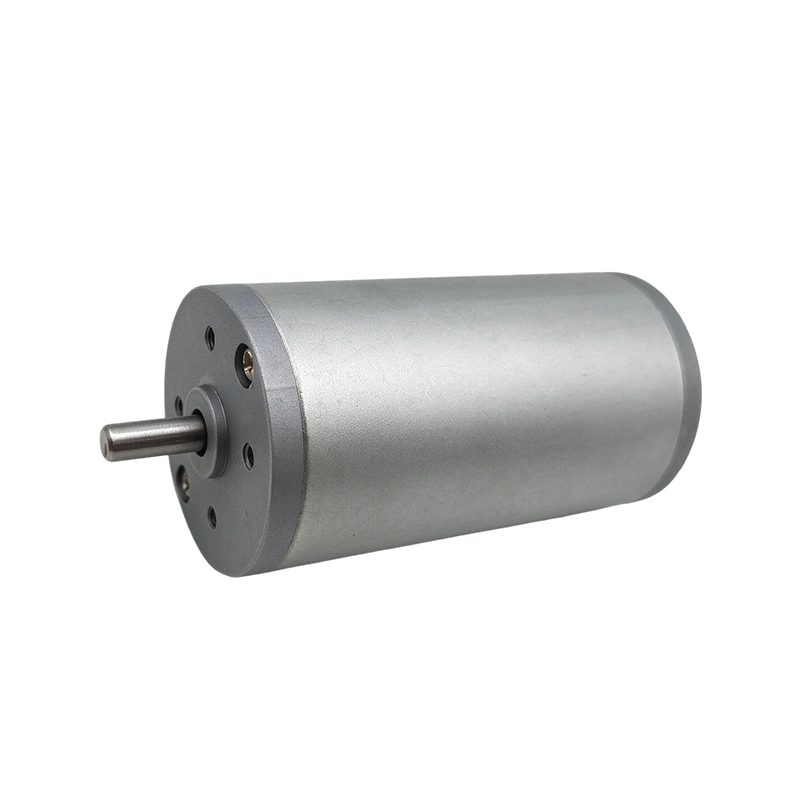
40ZYT 40mm Medical DC Motor - Skewed Slots & Durable Reinforced Bonding
View Details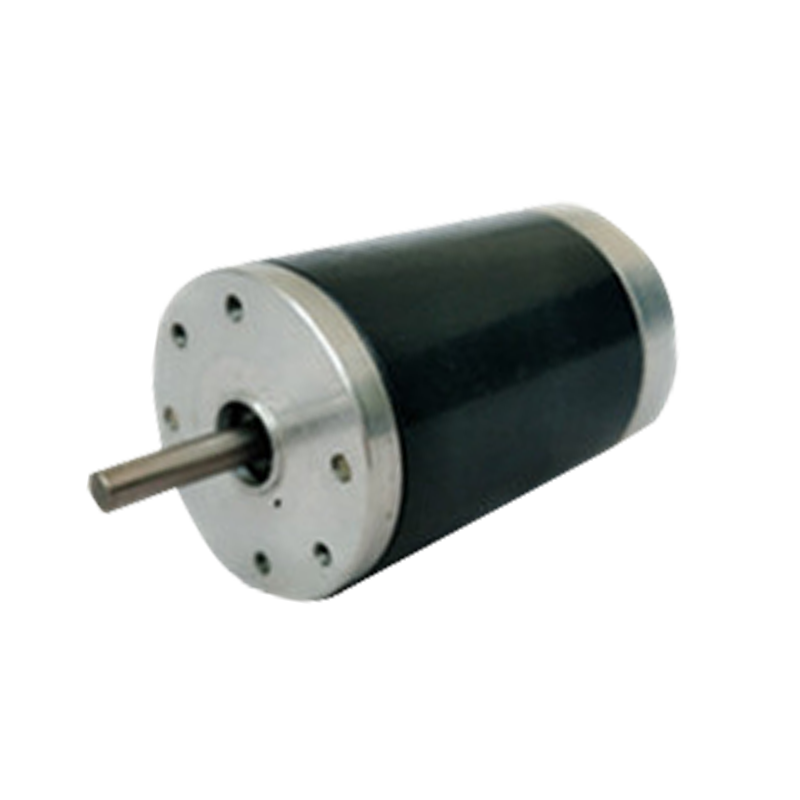
68ZYT 68mm brushed dc motor
View Details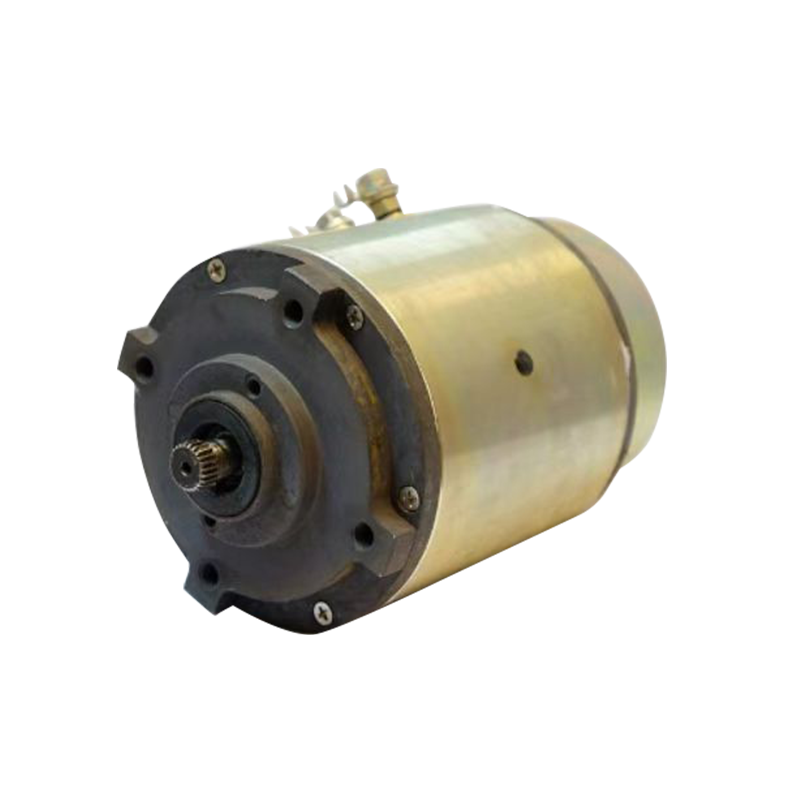
Permanent Magnet Dc Shunt Brush Motor 78mm Diameter with Slot Type Commutator
View Details
Nema 17 Stepper Motor 1.5A 63.74oz.in for DIY CNC/3D Printer
View Details
High-power Single Phase Electric Induction Motor Y286145
View DetailsIntroduction
Detailed Parameters and Performance Data
Introduction
Jiangsu Retek Motion Co., Ltd. supplies humanoid robot joint motors for robot builders, research groups and automation integrators. Each joint actuator is specified against joint torque, speed, accuracy, envelope and duty cycle.
How We Work
Retek operates motor, die-casting and CNC, and wire harness platforms. For humanoid joints this allows the motor, gearbox housing and encoder mounting to be developed together, which matters when the limb envelope and the safety requirement are both fixed.
Engineering Approach
The team reviews joint torque, speed, accuracy, cycle profile and envelope before selecting motor type, gear ratio and feedback. Prototypes are tested on the customer load cycle, including contact and stall conditions where safety behaviour is required.
Applications
Advanced Technology Highlights
Applications
Humanoid arm and leg joints
Dexterous hand and finger actuation
Collaborative robot joints
Research biped and quadruped platforms
Exoskeleton and assistive devices
Technical Specifications
Industrial & Commercial Usage
Specifications
| Parameter | Typical Range |
| Motor type | Brushless or coreless |
| Frame size | 20 to 130 mm |
| Voltage | 24 to 48 V DC |
| Gearbox | Planetary or cycloidal |
| Feedback | Magnetic or optical encoder |
| Backlash | Selected against joint accuracy |
| Drive | Integrated or external |
Additional Information
Supplementary Details & Notes
Production and Customization
Custom motor, gear ratio and feedback configuration
Housing and flange adapted to the limb envelope
Integrated or external drive options
Load-cycle and contact testing with the customer mechanism
Prototype and volume production with batch traceability
About Jiangsu Retek Motion Co., Ltd.
Customized Solutions
Quality Assurance
Global Export
Message Feedback