 Get in touch
 English
 Deutsch
 中文简体
中文简体 Español

1. Introduction: Deconstructing AC Induction Motor Horsepower The AC Induction Motor is one of the m...
READ MOREIndustry News
2025-12-22
Content
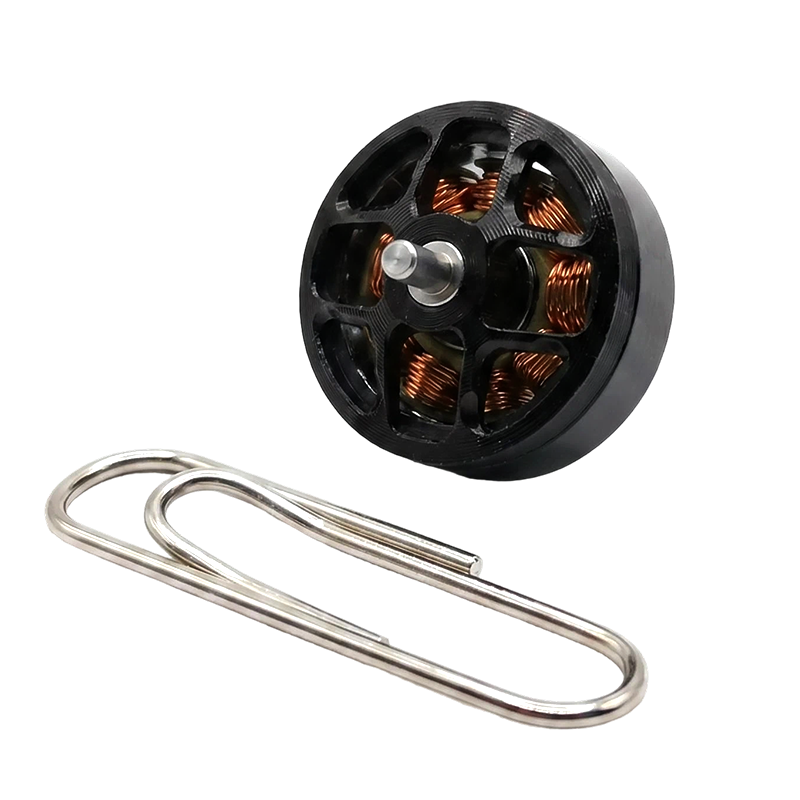
In the high-stakes world of First-Person View (FPV) drone racing, every component is critical to victory. At the heart of these agile machines lies the FPV Racing Drone Motors, the powerhouse dictating thrust, efficiency, and overall handling. Unlike standard components, achieving peak performance requires motors that are perfectly matched to your specific craft and flying style. This guide delves deep into the engineering behind these motors, explores key selection criteria, and highlights how a tailored approach can unlock unprecedented performance.
FPV racing motors are brushless DC motors, prized for their high power-to-weight ratio and reliability. Their performance is governed by a set of interlinked specifications that pilots must master.
Selecting the right motor is a balancing act. A common dilemma pilots face is understanding the trade-offs between different stator sizes and KV ratings for specific applications. For instance, a high torque low kv fpv motor is engineered to swing larger, more aggressive propellers efficiently. This configuration excels in providing explosive power out of turns and better control in technical sections of a track. In contrast, a higher KV motor on a smaller propeller might achieve a higher top speed on a straightaway but could struggle with quick acceleration and heat management. The choice fundamentally shapes your drone's character on the track.
| Flight Style / Build | Recommended Stator Size | Recommended KV Range | Reasoning |
|---|---|---|---|
| Lightweight, Agile Racing (5") | 2207 - 2306 | 1750KV - 1950KV | Balances power and weight for rapid direction changes. |
| Heavy Lift / Long Range | 2507 - 2806.5 | 1200KV - 1600KV | Provides the necessary torque for larger props and heavier payloads efficiently. |
| Smaller Cinewhoop (3") | 1408 - 1507 | 2800KV - 3600KV | Higher KV compensates for smaller propeller size to maintain responsiveness. |
Ultimate thrust is meaningless if it drains the battery in 60 seconds. The true art lies in maximizing thrust per watt of power consumed. Pilots seeking to improve fpv drone motor efficiency should focus on the motor's design quality. This includes using high-grade N52SH magnets, precision-wound copper coils, and low-friction bearings. An efficient motor runs cooler, extends flight time, and provides more consistent power throughout the battery cycle. For example, a well-designed 2306 motor might deliver 1500g of thrust at 40A, while a poorly designed one might need 45A for the same output, leading to faster voltage sag and shorter runs.
Racing involves crashes. Motor durability hinges on the shaft hardness, bearing quality, and the structural integrity of the bell housing. A motor with a bent shaft or damaged bearings will create vibrations, ruining flight performance and potentially damaging other components.
Every gram counts. Lighter motors allow for a lower overall weight or the use of a larger battery. The power-to-weight ratio is a key metric: it's better to have a lighter motor that produces slightly less absolute thrust than a heavier powerhouse.
Sustained high performance generates heat. Motors with effective cooling features, such as hollow shafts, vented bells, and slotted stator designs, dissipate heat faster. This prevents thermal throttling (power reduction due to heat) and protects the magnets from demagnetization, which is crucial when figuring out how to cool fpv racing motors during intensive sessions.
A smooth-running motor is essential for clean video feed and precise flight control. Excessive vibration, often from imperfect balancing or poor bearing tolerances, introduces "jello" in the FPV feed and can confuse the drone's flight controller. This makes selecting motors for smooth operation a priority for both racing and cinematic flying.
Once the hardware is selected, software tuning brings it to life. This is where the quest for the perfect best motor setup for freestyle fpv truly begins. Freestyle demands a versatile power band—enough torque for slow, controlled tricks and explosive power for rapid recoveries and dives. Pilots often tune their rates, Dynamic Notch Filters, and Throttle Expo to match their motor's response curve. Additionally, using Blackbox logging tools to analyze motor performance helps identify issues like desyncs or resonances that need tuning adjustments.
Synergy is key. A high-performance motor is hamstrung by a weak Electronic Speed Controller (ESC) or an ill-suited propeller. For a lightweight fpv motor for long range builds, the priority shifts to maximizing efficiency across a wide throttle range. This often involves pairing a low KV motor (e.g., 1500KV) with a high-pitch, low-drag propeller and an ESC with robust regenerative braking capabilities to maximize glide time. The motor must be efficient not just at full throttle, but crucially, at the 25-50% cruise throttle where long-range flights occur.
| Component | Consideration for Matching | Optimization Goal |
|---|---|---|
| ESC | Current Rating (Amps) | ESC amperage must exceed the motor's peak current draw with a safety margin (e.g., 20-30%). |
| Propeller | Diameter, Pitch, Blade Count | Larger diameter/pitch increases load and current draw. Must match motor KV and torque. |
| Battery (LiPo) | Voltage (S count) and Discharge (C Rating) | Higher voltage (more cells) increases RPM for a given KV. High C-rating supports current demand. |
Even the best setups encounter problems. Knowing fpv motor troubleshooting guide step by step is essential for quick repairs. A systematic approach saves time and money.
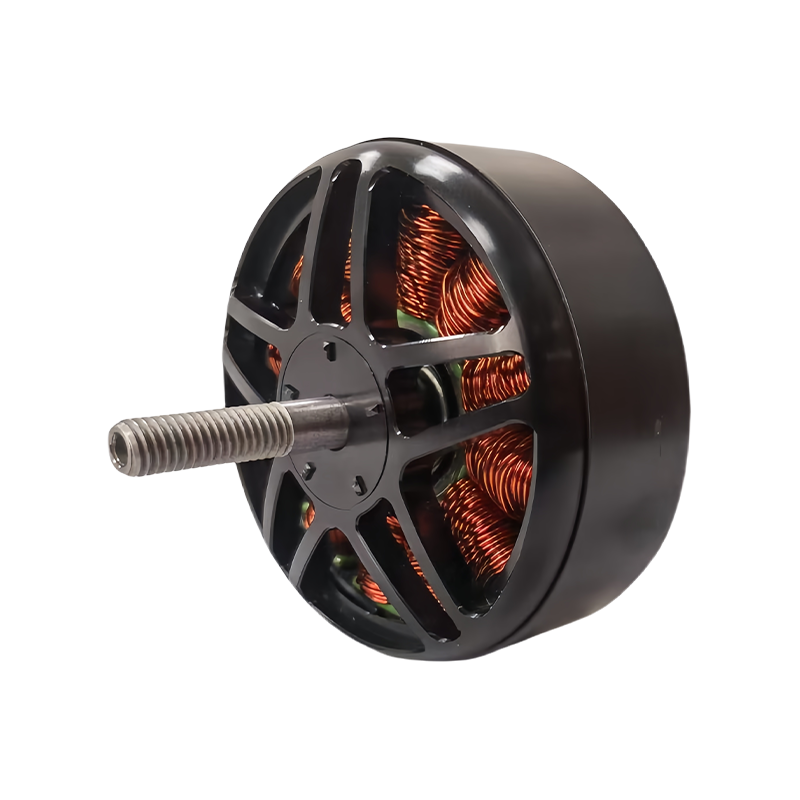
While off-the-shelf motors serve a broad market, the pinnacle of FPV performance often requires a precise fit for a unique airframe and pilot. This is where the philosophy of Retek makes a definitive difference. Unlike other motor suppliers, Retek's engineering system prevents the selling of motors and components by catalogue as every model is customized for our customers. The customers are assured that every component they receive from Retek is designed with their exact specifications in mind. Our total solutions are a combination of our innovation and a close working partnership with our customers and suppliers.
Retek's integrated business platforms—encompassing Motors, Die-Casting and CNC manufacturing, and wire harness production—allow for complete control over the manufacturing process. This vertical integration is crucial for creating optimized FPV Racing Drone Motors. Whether you need a unique stator size/KV combination for a proprietary frame, specialized cooling for extreme environments, or a specific weight target for a record-attempt build, Retek collaborates directly with you to engineer the solution. This partnership ensures the motor is not just a component, but a fully integrated element of your high-performance system. Welcome to send us an RFQ, it is believed you will get the best cost-effective products and services here!
Both are interdependent, but stator size generally dictates the potential power and torque ceiling, while KV determines how that power is applied with a given propeller and battery voltage. You must choose them together based on your prop choice and desired flight characteristics.
Key signs include excessive heat after minimal use, a noticeable drop in flight time, inconsistent power delivery, audible grinding/vibrations, or visible physical damage like a bent shaft or cracked bell.
It is strongly discouraged. Even slight differences in KV, torque response, or magnetic structure can cause asymmetric thrust, leading to poor handling, excessive vibration, and increased strain on the flight controller.
Perform regular visual inspections for debris and shaft play. Bearings may need lubrication or replacement after 50-100+ hours of flight depending on conditions. Motors should be replaced if they show signs of physical damage, demagnetization, or irreparable vibration.
Custom motors allow you to perfectly match the motor to a unique frame design, specific weight target, or uncommon performance requirement (e.g., extreme efficiency for long-range or maximal torque for a heavy-lift craft). This level of optimization, as offered by Retek, can provide a tangible competitive edge that catalog parts cannot.
[1] J. Bardwell, "Motor Basics: KV, Stator Size, and You," FPV Knowledge Base, 2022. (Online resource covering fundamental motor specifications for FPV drones).
[2] C. Rosser, "The Definitive Guide to Brushless Motor Efficiency," RC Groups Forum, 2021. (Discussion and analysis on factors influencing electric motor efficiency in model applications).
[3] "Blackbox Log Analysis: Vibration and Motor Diagnostics," Betaflight Official Documentation, 2023. (Official guide on using flight data to diagnose motor and propulsion system issues).
1. Introduction: Deconstructing AC Induction Motor Horsepower The AC Induction Motor is one of the m...
READ MORE1. Introduction In modern industrial automation, data center construction, consumer electronics upgr...
READ MOREStepper motors represent a cornerstone of modern motion control, offering precise positioning and re...
READ MOREThe industrial motor landscape is undergoing a significant transformation, driven by the relentless ...
READ MORERelated Products
Building 10, No.199, Jinfeng Road, Suzhou High-tech, Jiangsu Province, China
+86-133 3869 4967
+86-512 6876 9967
sean@retekmotion.com
rsgrivic@126.com
 WhatsApp
Copyright © Jiangsu Retek Motion Co., Ltd. All Rights Reserved. Custom OEM Industrial Multi Rotor Drone Motors Manufacturers