 Get in touch
 English
 Deutsch
 中文简体
中文简体 Español

1. Introduction: Deconstructing AC Induction Motor Horsepower The AC Induction Motor is one of the m...
READ MOREIndustry News
2026-01-02
Content
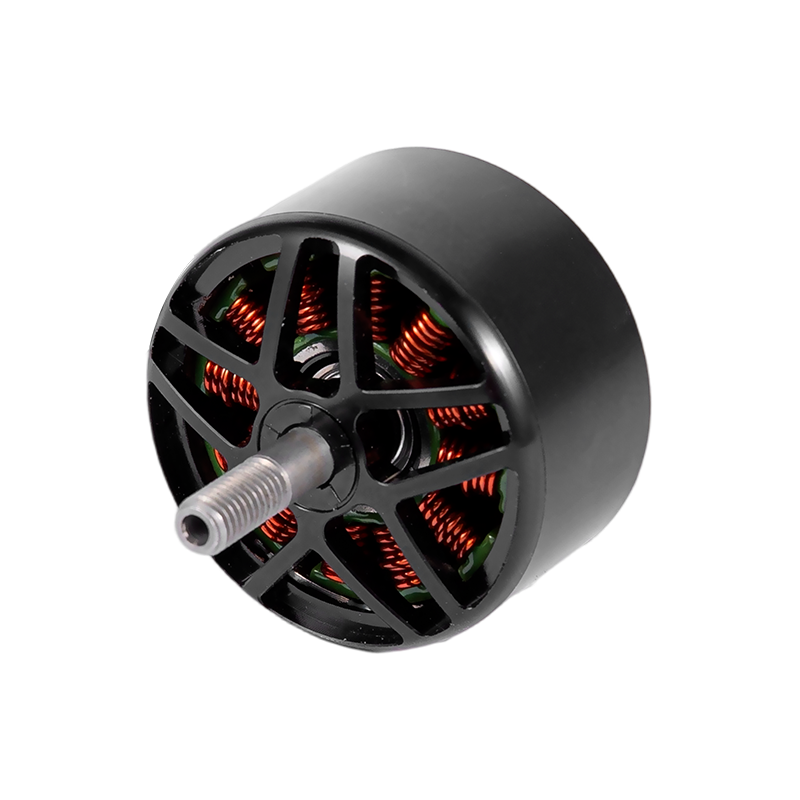
In the rapidly evolving world of drone technology, the heart of performance lies in its propulsion system. At the core of this system are drone brushless motors, sophisticated components that convert electrical energy into precise mechanical thrust. Unlike other motor suppliers, Retek engineering system prevents the selling of our motors and components by catalogue as every model is customized for our customers. This guide delves deep into the technology, selection criteria, and the significant advantages of tailored motor solutions for superior aerial performance.
Brushless motors have become the undisputed standard in modern drone design, and for good reason. They represent a significant leap forward from their brushed counterparts.
A brushless DC (BLDC) motor operates on a simple yet ingenious principle: it uses electronic commutation instead of physical brushes. The stationary part (stator) contains copper windings, while the rotating part (rotor) houses permanent magnets. An external Electronic Speed Controller (ESC) precisely switches the current in the stator windings, creating a rotating magnetic field that pulls the rotor around.
The superiority of brushless motors is clear when compared directly to brushed types. For instance, brushless motors offer significantly higher efficiency and lifespan because they eliminate the friction and wear caused by physical brushes[1].
| Feature | Brushless Motor | Brushed Motor |
|---|---|---|
| Efficiency | High (85-90%) | Low (70-75%) |
| Lifespan | Very Long (10,000+ hours) | Short (1,000-3,000 hours) |
| Maintenance | Very Low | High (brush replacement) |
| Power-to-Weight Ratio | Excellent | Moderate |
| Control Precision | High | Low |
Choosing the right motor is a balancing act between several interconnected specifications. Understanding these is crucial for optimal drone design.
The KV rating indicates the motor's RPM per volt applied (with no load). A common misconception is that a higher KV means more power. In reality, a lower KV motor paired with a larger propeller is often better for heavy-lift drones, while a high KV motor with a small prop is ideal for racing drones seeking high RPM.
The stator size, denoted as something like "2306" (23mm diameter, 06mm height), is a primary indicator of torque potential. A larger stator can handle more windings and magnetic flux, translating to greater torque. This is a critical factor for applications requiring high torque drone motors for heavy lift drones.
Voltage (S Rating):
Not all drone missions are created equal. The motor must be chosen to excel in its intended operational envelope.
For mapping, surveillance, or long-range FPV flights, maximizing flight time is paramount. Motors designed for this prioritize smooth operation and efficiency at medium load ranges. Selecting motors optimized for long flight time drone motor efficiency involves looking for designs with low internal resistance, optimized winding patterns, and stator geometries that reduce eddy current losses.
Racing and freestyle drones demand instant throttle response and explosive power. Motors for this category feature high KV ratings, lightweight construction, and the ability to handle massive burst currents. Pilots seeking the ultimate in performance often look for the best brushless motors for FPV racing drones, which are engineered for minimal inertia and rapid heat dissipation.
Carrying LiDAR sensors, delivery packages, or agricultural spray systems requires immense lifting capacity and stability. These applications necessitate high torque drone motors for heavy lift drones. They typically have large stator sizes, lower KV ratings, and are built with robust materials to withstand continuous high-load operation.
While catalogue motors serve general purposes, cutting-edge and specialized drone applications demand precision engineering. This is where Retek's philosophy of total custom solutions creates unparalleled value.
An off-the-shelf motor is a compromise. A custom motor is an optimization. Retek engineers work in partnership with clients to design motors that meet exact specifications. The customers are assured that every component they receive from Retek is designed with their exact specifications in mind. Whether you need a motor with a unique drone motor KV rating explained for a proprietary propulsion design or specialized thermal management, a tailored solution ensures peak integration.
Retek's unique integrated approach covers the entire product lifecycle. Our business consists of three platforms: Motors, Die-Casting and CNC manufacturing, and wire harness. This vertical integration allows for seamless development.
This synergy is ideal for developing robust weatherproof brushless motors for drone applications that must operate in marine or humid environments, as every aspect from sealant to material choice is controlled.
Retek's customized motors are not limited to consumer drones. Our total solutions are a combination of our innovation and a close working partnership with our customers and suppliers. Our products are widely supplied for residential fans, vents, boats, airplanes, medical facilities, laboratory facilities, trucks, and other automotive machines. This diverse experience translates to cross-industry expertise in reliability and performance, beneficial for solving complex brushless motor troubleshooting and maintenance challenges proactively through design.
Proper care ensures longevity and consistent performance. Understanding common issues can prevent costly failures.
Effective brushless motor troubleshooting and maintenance involves systematic checks.
| Symptom | Possible Cause | Diagnostic Action |
|---|---|---|
| Motor stutters, won't spin | ESC calibration issue, damaged phase wire, faulty solder joint | Re-calibrate ESC, check continuity of all three motor wires |
| Excessive vibration | Bent motor shaft, unbalanced bell, damaged bearings | Spin motor by hand to feel for roughness, inspect shaft alignment |
| Motor gets very hot quickly | Over-propped, excessive current, insufficient cooling | Check propeller size matches motor specs, verify ESC current rating |
| Loss of power at high throttle | Battery sag, voltage drop in wiring, ESC over-current protection | Use a high-C battery, check all connections for resistance |
KV stands for RPM per Volt. It indicates how fast the motor's rotor will spin when one volt is applied with no load. It is a key factor in matching a motor to your desired propeller size and drone performance type, but it is not a direct measure of power.
To maximize flight time, focus on overall system efficiency. This includes selecting motors known for long flight time drone motor efficiency, using optimally sized and pitched propellers, reducing the overall weight of the drone, and employing a high-capacity, low-weight battery.
Standard brushless motors are not waterproof. However, specialized weatherproof brushless motors for drone applications are available. These feature sealed bearings, protective coatings on the stator, and sometimes enclosed designs to withstand moisture, dust, and corrosion.
Heat is caused by electrical resistance (copper loss) and magnetic losses (iron loss) within the motor. Some warmth is normal, but excessive heat is detrimental. It can demagnetize the rotor magnets, degrade wire insulation, and damage bearings. Always ensure your motor is properly sized for its load and has adequate cooling airflow.
Off-the-shelf motors are designed for broad market appeal, forcing design compromises. A custom motor from a partner like Retek is engineered for your specific voltage, thrust, size, weight, and environmental requirements. This results in a perfectly integrated system that offers superior performance, reliability, and efficiency for your unique application, whether it's for heavy lifting, extreme endurance, or specialized industrial use.
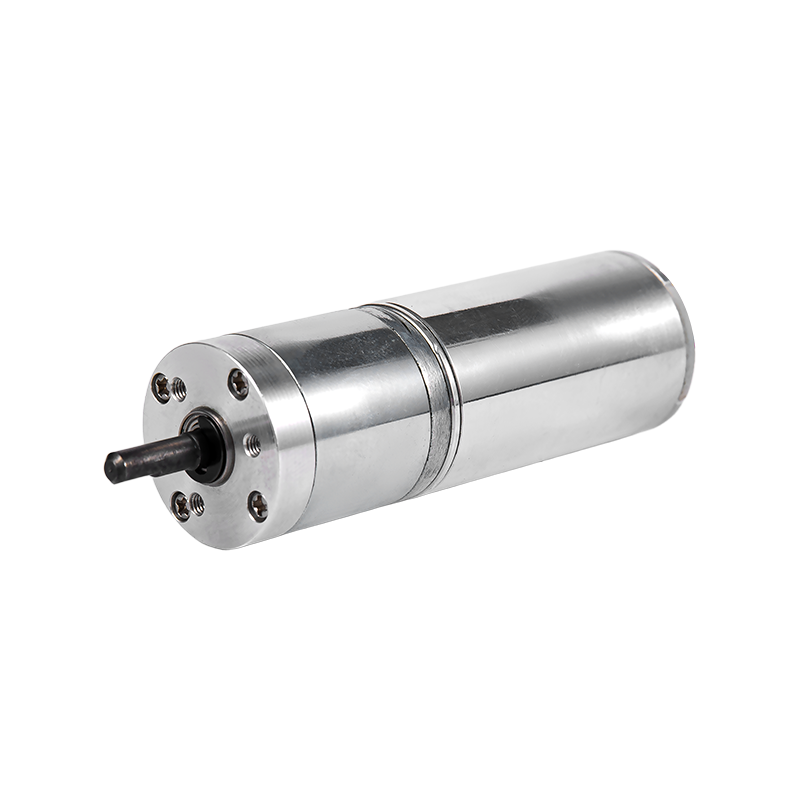
Mastering the intricacies of drone brushless motors is fundamental to unlocking superior aerial platform performance. From understanding KV ratings and stator sizes to selecting motors for specific tasks like racing or heavy lifting, informed choices lead to better drones. For applications where standard solutions fall short, partnering with an engineering-focused manufacturer like Retek provides a decisive edge. Welcome to send us an RFQ; it is believed you will get the best cost-effective products and services here! By leveraging total custom solutions—encompassing design, precision manufacturing, and full integration—you ensure your drone's propulsion system is not just a component, but a perfected engine for innovation.
[1] Krishnan, R. (2001). *Electric Motor Drives: Modeling, Analysis, and Control*. Prentice Hall. This source provides foundational principles on motor efficiency comparisons, including the performance characteristics of brushless vs. brushed DC motor architectures.
1. Introduction: Deconstructing AC Induction Motor Horsepower The AC Induction Motor is one of the m...
READ MORE1. Introduction In modern industrial automation, data center construction, consumer electronics upgr...
READ MOREStepper motors represent a cornerstone of modern motion control, offering precise positioning and re...
READ MOREThe industrial motor landscape is undergoing a significant transformation, driven by the relentless ...
READ MORERelated Products
Building 10, No.199, Jinfeng Road, Suzhou High-tech, Jiangsu Province, China
+86-133 3869 4967
+86-512 6876 9967
sean@retekmotion.com
rsgrivic@126.com
 WhatsApp
Copyright © Jiangsu Retek Motion Co., Ltd. All Rights Reserved. Custom OEM Industrial Multi Rotor Drone Motors Manufacturers