 Get in touch
 English
 Deutsch
 中文简体
中文简体 Español

1. Introduction: Deconstructing AC Induction Motor Horsepower The AC Induction Motor is one of the m...
READ MOREIndustry News
2026-01-20
Content
At the core of every evaporative air cooler lies its motor, a component whose importance cannot be overstated. While the water pump and cooling pads play their roles, it is the motor that drives the fan, creating the essential airflow that facilitates the evaporation process. This airflow is the primary mechanism by which these devices lower ambient temperature. Therefore, the performance characteristics of the motor—its speed, torque, power draw, and durability—directly dictate the unit's cooling capacity, area of effect, and overall energy footprint. A well-matched, efficient motor ensures that air is moved through the saturated pads optimally, maximizing moisture evaporation and thus cooling efficiency. Conversely, a poorly designed or mismatched motor can lead to inadequate airflow, reduced cooling, higher energy use, and premature system failure. Understanding the nuances of motor technology is key for anyone looking to select, maintain, or optimize an air cooling system for either residential or commercial applications. This exploration goes beyond simple specifications, delving into how motor design choices ripple through the entire performance profile of the cooler.
Not all air cooler motors are created equal. Their performance is governed by a set of interrelated specifications that consumers and technicians must understand to make informed decisions. These parameters work in concert to determine how effectively the motor will perform its duties under various conditions.
Motor speed, typically measured in Revolutions Per Minute (RPM), is directly proportional to the volume of air the fan can move, expressed in Cubic Feet per Minute (CFM). Higher RPM generally translates to higher CFM, meaning more air is passed over the cooling pads and pushed into the space. However, the relationship is not linear due to factors like fan blade design and system resistance. More importantly, speed has a significant impact on noise levels and energy consumption. Finding the right balance is crucial. For instance, a motor designed for high-speed operation might provide rapid cooling in a large industrial space but would be overkill and inefficient for a small bedroom. Modern motors often feature multiple speed settings or variable speed controls, allowing users to adjust airflow based on immediate needs, thereby optimizing both comfort and power use.
The power rating of a motor, measured in watts (W) or horsepower (HP), indicates its capacity to do work. However, a higher wattage does not inherently mean better cooling; it signifies the amount of electrical power the motor consumes under load. The true measure of efficiency is how much airflow (CFM) is generated per watt of power consumed. An energy-efficient motor will deliver a high CFM/watt ratio. This is where motor technology, such as the use of permanent split capacitor (PSC) designs or electronically commutated (EC) motors, makes a dramatic difference. For example, a traditional shaded-pole motor might draw 250 watts to produce 2000 CFM, while a advanced motor might produce the same 2000 CFM using only 150 watts. This direct reduction in energy draw for equivalent performance is a primary factor in lowering operational costs. The cumulative savings over a single cooling season, and over the lifespan of the unit, can be substantial.
The following table illustrates typical performance characteristics of two common motor technologies found in air coolers. It is a simplified comparison to highlight core differences.
| Motor Type | Typical Efficiency | Speed Control | Noise Level | Initial Cost | Long-term Running Cost |
|---|---|---|---|---|---|
| Traditional Shaded-Pole Motor | Lower | Limited (often 2-3 fixed speeds) | Generally Higher | Lower | Higher |
| Modern Electronically Commutated (EC) Motor | Significantly Higher | Fully Variable (precise control) | Generally Lower | Higher | Substantially Lower |
As shown, while the upfront investment for a more advanced motor is higher, the energy savings and control flexibility often justify the cost for users who rely on cooling for extended periods.
Torque is the rotational force produced by the motor. In an air cooler, sufficient torque is necessary to overcome system resistance, which includes the drag caused by the dense, wet cooling pads and the filter, if present. A motor with low torque might struggle to maintain its rated RPM when faced with this resistance, leading to a drop in airflow and cooling efficiency. This is a critical consideration, especially in areas with hard water where mineral deposits can quickly clog pads, increasing resistance. A robust, high-torque motor ensures consistent performance even as pads get dirty, providing more stable cooling until maintenance is performed. This resilience contributes to both effective cooling and predictable energy consumption, as a struggling motor may draw more current (increasing watts) while delivering less useful work (reducing CFM).
Selecting the right motor is only part of the equation. Achieving peak cooling efficiency and minimal energy consumption requires a holistic approach that considers the entire system and its operation. This involves understanding how motor capabilities interact with other components and usage patterns.
One of the most common mistakes is installing an underpowered or overpowered motor for a given cooler size and environment. An undersized motor will fail to draw enough air through the pads, resulting in poor evaporation and minimal cooling, effectively wasting the energy it does use. An oversized motor will cool effectively but will consume excessive power, often creating uncomfortably strong drafts and unnecessary noise. Manufacturers carefully match motors to cooler cabinet size, pad area, and intended application. For consumers, this underscores the importance of choosing a cooler rated for their specific square footage and climate humidity level. A question like what is the best motor type for a desert cooler is highly pertinent here. In hot, dry climates (where desert coolers excel), the primary goal is maximizing evaporation. A high-torque, variable-speed motor is often ideal, as it can maintain strong airflow through thick pads without bogging down, ensuring maximum moisture pickup and cooling effect even during the hottest parts of the day, all while allowing speed reduction at night for energy savings.
A motor's efficiency degrades not only through internal wear but also due to external factors it must contend with. Poor maintenance directly forces the motor to work harder, reducing cooling and increasing kilowatt-hours. Key maintenance directly linked to motor performance includes regular cleaning or replacement of cooling pads. Clogged pads drastically increase air resistance, forcing the motor to expend more energy to push air through. Similarly, ensuring the water distribution system is clean and functional guarantees even pad saturation; dry spots in the pads create channels of low resistance, bypassing the cooling process and wasting the motor's effort. Keeping fan blades clean and balanced is also crucial, as dirt buildup can create imbalance, causing vibration, noise, and extra load on the motor bearings. A well-maintained system allows the motor to operate under its designed optimal conditions, which is the state where it delivers the best CFM per watt. For instance, searching for how to maintain an air cooler motor for longer life reveals practices like seasonal bearing lubrication, ensuring proper ventilation around the motor housing to prevent overheating, and checking electrical connections for corrosion—all of which prevent efficiency losses and extend service life.
The evolution of motor technology presents significant opportunities for enhancing cooling efficiency. Beyond the basic PSC motor, newer designs are revolutionizing the market. Brushless DC (BLDC) or Electronically Commutated (EC) motors are at the forefront. These motors use electronic controllers to precisely manage the magnetic fields, eliminating the energy losses associated with physical brushes and resistive speed controls. Their advantages are multifold:
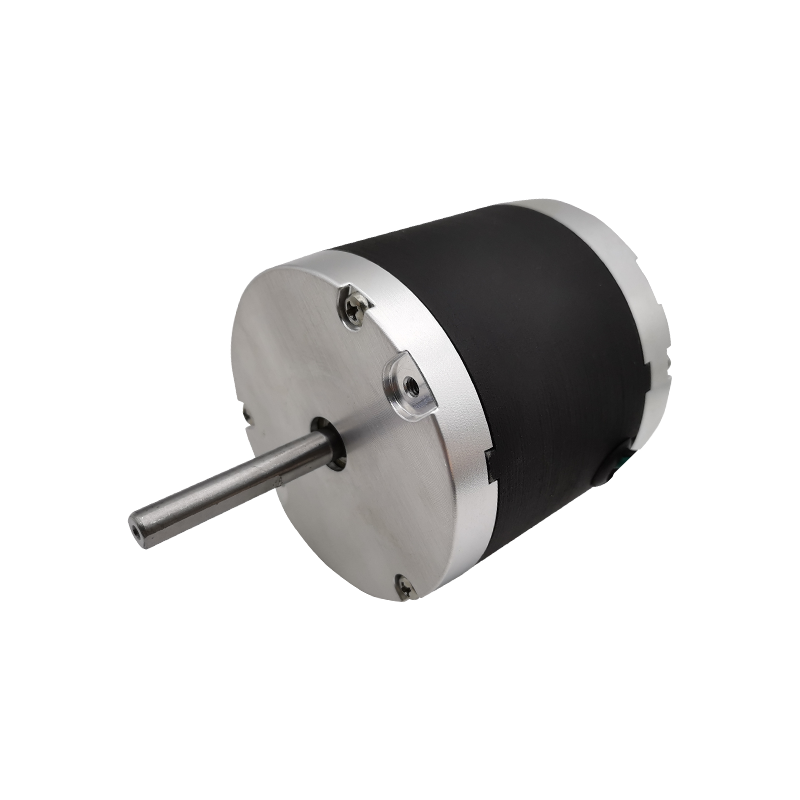
Users often encounter specific performance issues or have targeted goals. Understanding how the motor is implicated provides clear pathways to solutions.
When an air cooler fails to cool effectively, the motor and its related system should be a primary suspect. A systematic check can identify the root cause. First, listen and observe: Is the motor running but the fan is not spinning? This could indicate a broken fan blade or a failed motor coupling. Is the motor humming but not starting? This might point to a faulty capacitor or seized bearings. If the fan is spinning but airflow feels weak, the issue likely lies with increased system resistance (dirty pads/filter) or a motor that is losing power due to winding issues or low voltage supply. Using a clamp meter to check the motor's amperage draw against its nameplate rating can reveal if it is under-working or over-working. Addressing these issues not only restores cooling but also prevents the motor from operating in a strained, inefficient state that hikes up electricity bills. This process is central to resolving a query like why is my air cooler motor overheating and shutting off. Overheating is typically a symptom of excessive load (from clogged pads, bad bearings, or a binding fan) or poor motor cooling (blocked ventilation slots). It acts as a protective shutdown but indicates an underlying problem that is hurting both performance and efficiency.
A significant user concern is the noise generated by the air cooler, which is predominantly from the motor and fan assembly. There is a inherent trade-off between high airflow (needing high RPM) and low noise. However, this can be mitigated. Motors designed with precision-balanced rotors and quality bearings produce less operational vibration and noise. Larger diameter fans can move the same volume of air (CFM) at a lower RPM than smaller fans, and since noise is often related to tip speed, this results in quieter operation. Furthermore, variable-speed motors allow users to select a lower, quieter speed during nights or in already moderately cool conditions, which is a direct application of finding a quiet and efficient air cooler motor for bedroom use. For bedroom environments, prioritizing a cooler with a motor specifically engineered for low-noise operation—often through better bearing technology, acoustic dampening, and optimized fan blade design—is essential. This ensures restful sleep without sacrificing the ability to ramp up cooling power when necessary.
The decision to invest in a cooler with a premium, high-efficiency motor should be evaluated through total cost of ownership. The calculation is straightforward but revealing. First, determine the difference in wattage between a standard motor and a high-efficiency motor for comparable models. For example, Standard Motor: 300 watts. High-Efficiency Motor: 200 watts. Difference: 100 watts (0.1 kW). Estimate daily usage hours during the cooling season (e.g., 8 hours). Calculate daily energy saving: 0.1 kW * 8 hours = 0.8 kWh saved per day. Multiply by the local cost per kWh (e.g., $0.15): 0.8 kWh * $0.15 = $0.12 saved per day. Over a 120-day cooling season, that's $14.40 saved annually. Over a 10-year lifespan, that's $144 in direct energy savings, not accounting for potential future electricity price increases. When this figure is combined with the potential for fewer repairs due to more robust construction and smarter thermal protection, the initial price premium for a better motor is frequently offset, making it a financially and environmentally sound choice.
Ultimately, the air cooler motor is a pivotal investment in comfort and operating cost. By prioritizing motors with features like variable speed control, high torque, and modern efficiency technologies like EC construction, users can achieve superior cooling performance while actively managing their energy consumption. Regular, simple maintenance focused on reducing system load is equally vital to sustain that efficiency year after year. Whether for a small room or a large commercial space, giving due consideration to the heart of the system—the motor—ensures that your cooling solution is effective, economical, and reliable.
1. Introduction: Deconstructing AC Induction Motor Horsepower The AC Induction Motor is one of the m...
READ MORE1. Introduction In modern industrial automation, data center construction, consumer electronics upgr...
READ MOREStepper motors represent a cornerstone of modern motion control, offering precise positioning and re...
READ MOREThe industrial motor landscape is undergoing a significant transformation, driven by the relentless ...
READ MORERelated Products
Building 10, No.199, Jinfeng Road, Suzhou High-tech, Jiangsu Province, China
+86-133 3869 4967
+86-512 6876 9967
sean@retekmotion.com
rsgrivic@126.com
 WhatsApp
Copyright © Jiangsu Retek Motion Co., Ltd. All Rights Reserved. Custom OEM Industrial Multi Rotor Drone Motors Manufacturers