 Get in touch
 English
 Deutsch
 中文简体
中文简体 Español

1. Introduction: Deconstructing AC Induction Motor Horsepower The AC Induction Motor is one of the m...
READ MOREIndustry News
2026-05-19
Content
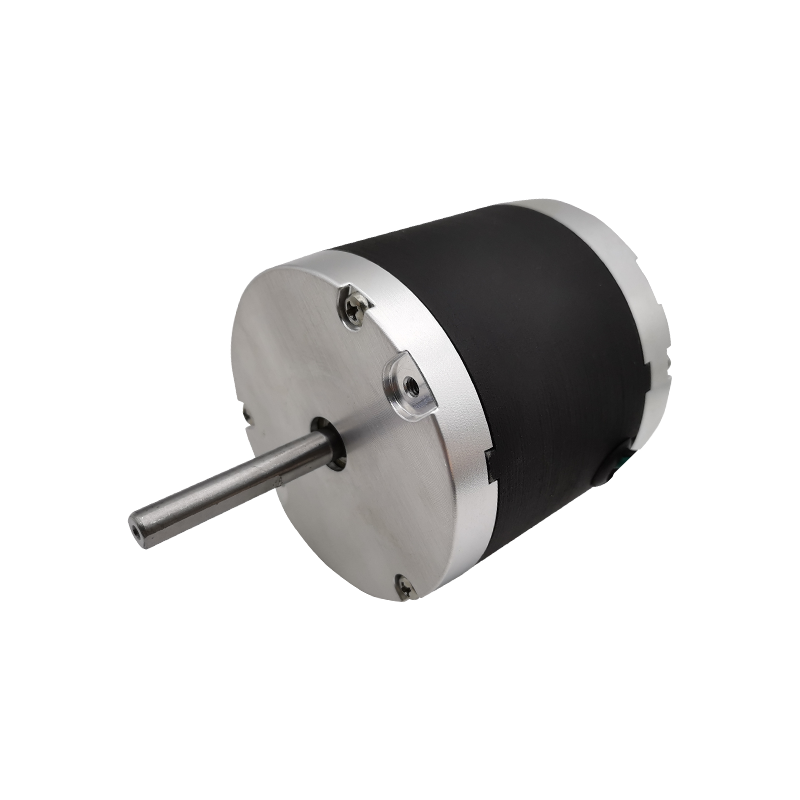
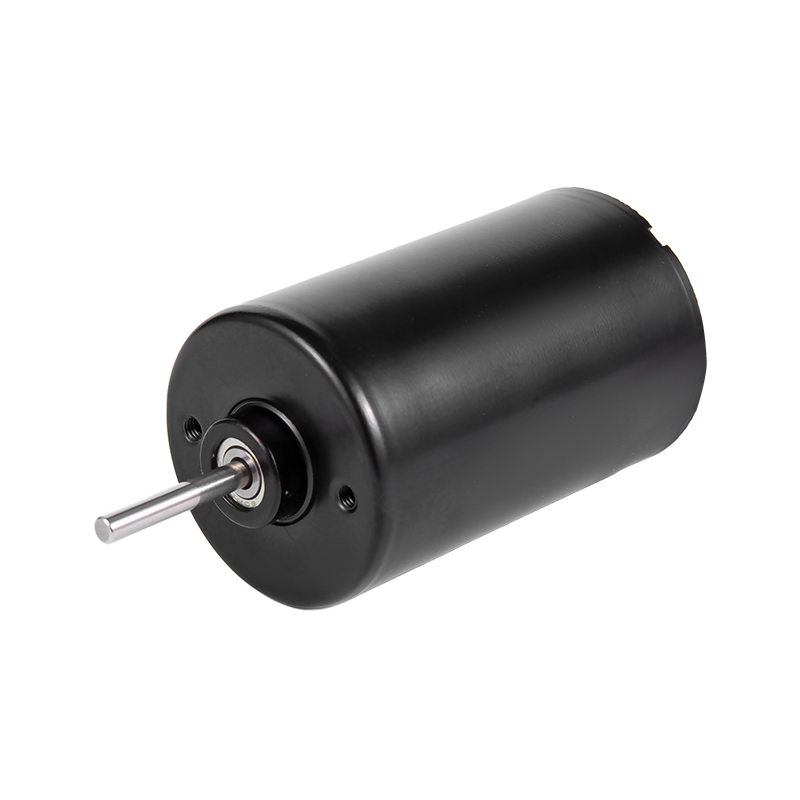
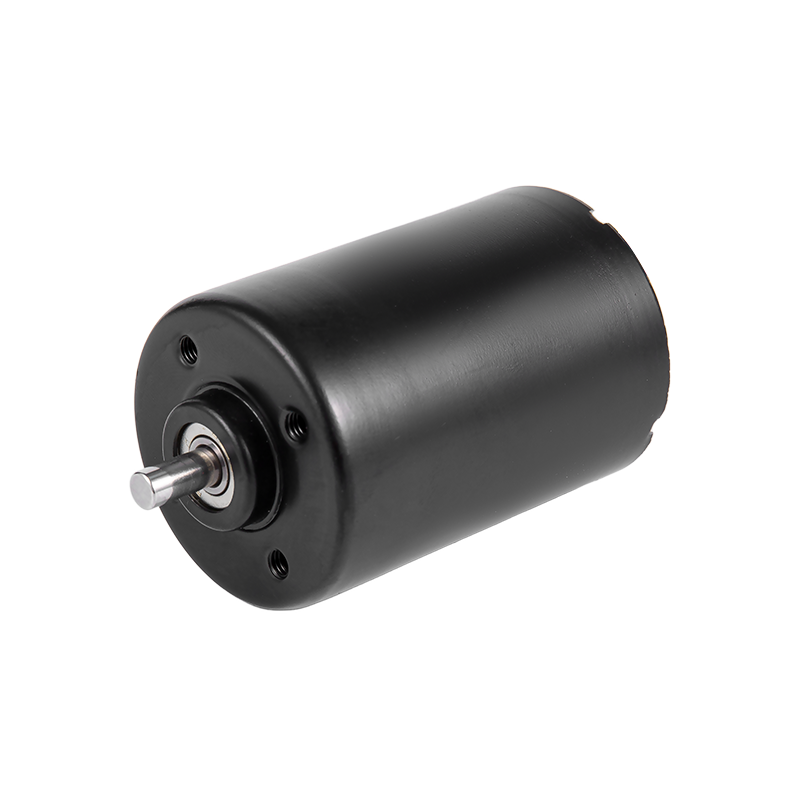
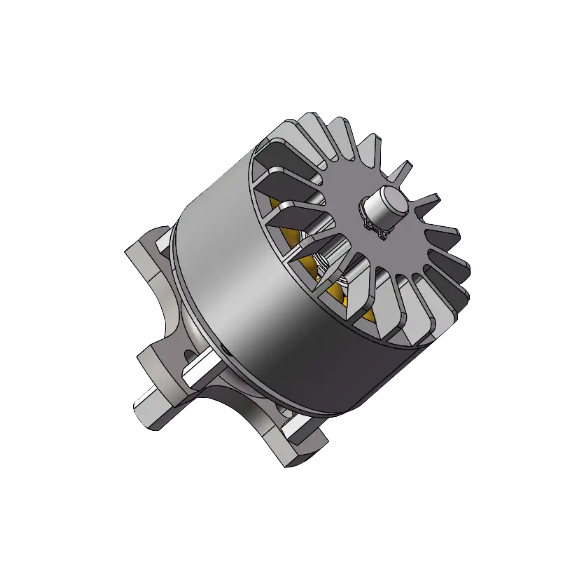
A brushless DC (BLDC) motor generates rotational force through the interaction of a permanent-magnet rotor and an electronically commutated stator — with no physical brushes involved. Instead of mechanical contact, an electronic controller switches current through the stator windings in a precise sequence, creating a rotating magnetic field that pulls the rotor along with it.
In a conventional brushed DC motor, carbon brushes press against a spinning commutator ring to deliver current to the rotor windings. This physical contact causes friction, heat, and progressive wear. A BLDC motor inverts the arrangement: the permanent magnets sit on the rotor, and the electromagnet windings are fixed in the stator. Because the windings never move, there is no need for brushes or a commutator.
Commutation — the process of switching which winding is energized — is handled by a dedicated motor controller. Hall-effect sensors embedded in the stator detect the rotor's angular position in real time and feed that data to the controller, which then energizes the correct winding pair to maintain continuous rotation. Sensorless BLDC drives accomplish the same result by monitoring back-EMF voltage generated in the inactive windings, eliminating the sensors entirely.
Understanding the working principle of a BLDC motor becomes straightforward when broken into its core stages:
Most three-phase BLDC motors use six-step commutation, energizing two of the three phases at a time. More advanced drives apply sinusoidal or field-oriented control (FOC) to deliver smoother torque with less electrical noise — particularly valuable in precision motion and audio-sensitive environments.
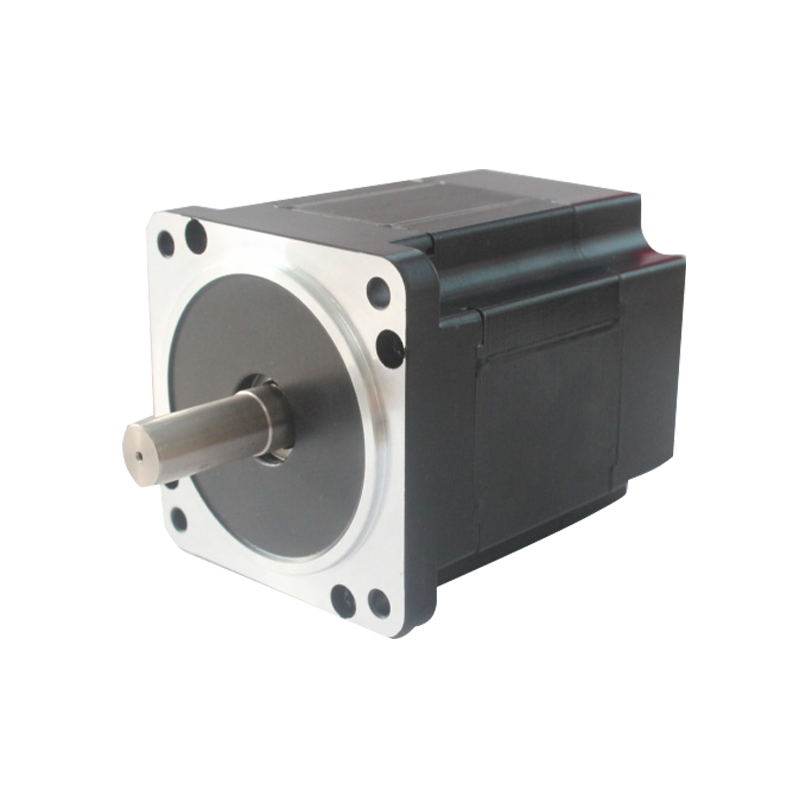
Eliminating brushes and mechanical commutation delivers a cascade of performance benefits that brushed motors cannot match:
| Characteristic | Brushed DC Motor | Brushless DC Motor |
|---|---|---|
| Typical efficiency | 75–80% | 85–95% |
| Service life | 1,000–5,000 hours | 10,000–20,000+ hours |
| Maintenance | Brush replacement required | Minimal (bearings only) |
| EMI | High (brush arcing) | Low |
| Speed control | Simple (voltage) | Precise (electronic controller) |
| Cost | Lower upfront | Lower total cost of ownership |
Brushless DC motors are manufactured in several configurations to suit different application constraints:
In an inrunner BLDC motor, the rotor spins inside a fixed stator — the classic arrangement. Inrunners typically reach higher RPMs and suit gearbox-coupled applications. An outrunner inverts the layout: the outer shell (carrying the permanent magnets) rotates around a fixed inner stator. Outrunners produce higher torque at lower speeds, making them the preferred choice for direct-drive applications such as multirotor drones and electric bicycle wheels.
Sensored BLDC drives use Hall-effect sensors for reliable startup torque and accurate low-speed control, commonly found in servo systems and industrial automation. Sensorless drives infer rotor position from back-EMF, reducing cost and complexity at the expense of startup performance — an acceptable trade-off in fans, compressors, and high-speed spindles where starting torque requirements are modest.
Most BLDC motors are three-phase designs, offering the best balance of torque smoothness, efficiency, and controllability. Single-phase BLDC motors appear in low-cost fans and small appliances. Two-phase variants are relatively rare but occasionally used in stepper-adjacent motion control.
The combination of high efficiency, long life, and precise controllability has made BLDC motors the technology of choice across a wide range of industries:
Matching a brushless DC motor to an application involves more than picking a power rating. Several factors determine whether the system will perform reliably over its intended life:
For most modern applications, the higher upfront cost of a brushless DC motor and its controller is recovered quickly through reduced energy consumption and near-zero maintenance expenditure — making BLDC the technically and economically superior choice wherever efficiency and reliability are priorities.
1. Introduction: Deconstructing AC Induction Motor Horsepower The AC Induction Motor is one of the m...
READ MORE1. Introduction In modern industrial automation, data center construction, consumer electronics upgr...
READ MOREStepper motors represent a cornerstone of modern motion control, offering precise positioning and re...
READ MOREThe industrial motor landscape is undergoing a significant transformation, driven by the relentless ...
READ MORERelated Products
Building 10, No.199, Jinfeng Road, Suzhou High-tech, Jiangsu Province, China
+86-133 3869 4967
+86-512 6876 9967
sean@retekmotion.com
rsgrivic@126.com
 WhatsApp
Copyright © Jiangsu Retek Motion Co., Ltd. All Rights Reserved. Custom OEM Industrial Multi Rotor Drone Motors Manufacturers