 Get in touch
 English
 Deutsch
 中文简体
中文简体 Español

1. Introduction: Deconstructing AC Induction Motor Horsepower The AC Induction Motor is one of the m...
READ MOREIndustry News
2025-12-04
Content
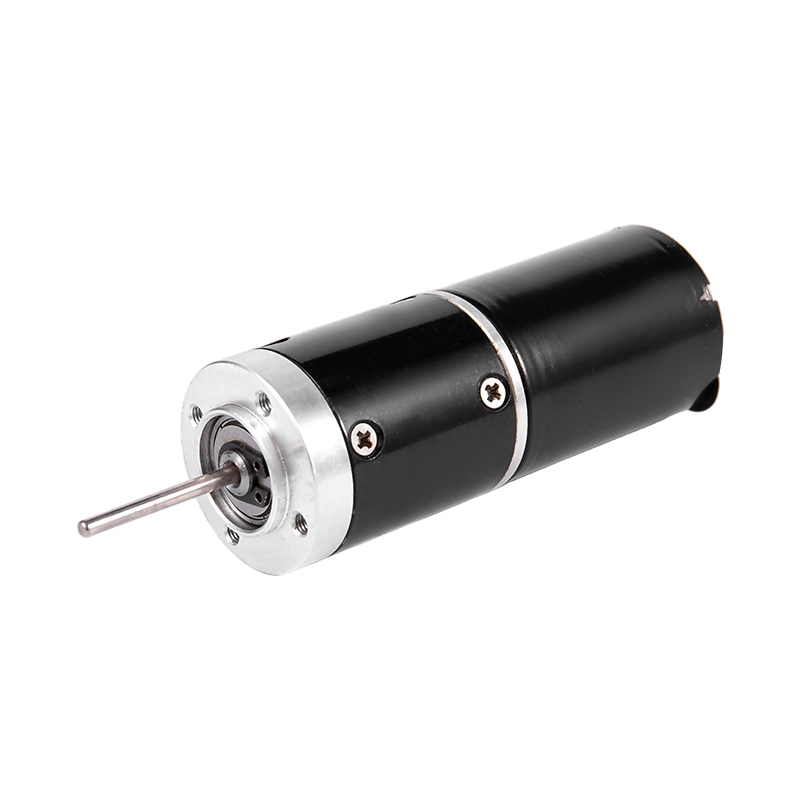
A coreless dc motor operates without the traditional iron core found in brushed motors, making it significantly lighter, more responsive, and more efficient. Many engineers across precision engineering fields are increasingly turning toward this design because traditional motors often introduce unnecessary weight, magnetic losses, and performance delays. When examining modern product development trends through an SEMrush perspective, search volumes reveal a growing demand for motors that deliver higher acceleration, smoother control, and reduced electrical noise. This shift signals that industries want smaller yet more capable systems, and this is exactly where the **coreless dc motor advantages and disadvantages** become critical to understand. Before upgrading a system or redesigning hardware, engineers must first recognize why coreless architecture has become a leading alternative to standard designs and how those design choices influence cost, reliability, and performance longevity.
When reviewing keyword trends such as high efficiency coreless dc motor applications, it’s clear that industries are prioritizing motors that minimize wasted energy while maximizing torque response. A high-efficiency coreless motor is built using a self-supporting copper winding that eliminates core losses, allowing for higher continuous current and faster reaction speed. This efficiency benefit is particularly valuable for devices requiring precise positional accuracy or rapid start-stop cycles. In the context of SEMrush-reported keyword difficulty, low-competition phrases related to coreless motor efficiency are gaining visibility, implying that readers and buyers are actively searching for detailed performance data and practical integration guidance. Therefore, it is essential to explore how these motors translate electrical input into motion with minimal loss, offering enhanced thermal stability, smoother motion, and increased operational lifespan.
| Feature | Coreless Motor | Traditional Motor |
| Cogging | None | Present |
| Inertia | Very Low | High |
| Efficiency | High | Moderate |
Many product inefficiencies originate from the limitations inherent in brushed motors. These motors typically exhibit mechanical friction from brushes, delayed acceleration due to higher inertia, and inconsistent torque output at varying speeds. SEMrush data indicates that searches around motor performance troubleshooting are increasing, particularly in industries reliant on fast, precise actuation. Users often search for issues such as overheating, vibration instability, low control accuracy, or unexpected stall torque loss. By understanding these pain points, engineers can more easily recognize when their existing motor is constraining their system’s overall performance. These symptoms often point directly toward the advantages offered by upgrading to a coreless system, which is optimized for rapid response and improved efficiency under demanding conditions.
When analyzing the keyword coreless dc motor vs brushed motor performance, what users typically seek is a clear comparison showing how each motor architecture handles stress, speed, torque stability, and long-term efficiency. Brushed motors rely on mechanical commutation, which inevitably introduces friction, heat, and wear. In contrast, a coreless motor’s lightweight winding and magnetic field interaction result in rapid acceleration, smoother torque, and superior controllability. Engineers looking at long-term operational cost also benefit from coreless designs, as their reduced energy loss can lower power consumption in battery-driven devices. Understanding this comparison is critical for making an informed design decision that aligns with performance expectations and product lifecycle goals.
| Category | Coreless DC Motor | Brushed Motor |
| Acceleration | Fast | Moderate |
| Weight | Light | Heavy |
| Thermal Loss | Low | High |
Search trends around “low inertia motors” have increased sharply, and the keyword low inertia coreless dc motor benefits shows that many engineers are exploring ways to improve response precision. Low inertia is one of the most defining advantages of coreless motors, allowing them to accelerate and decelerate much faster than iron-core versions. This feature is essential for robotics, medical tools, precision instruments, and motion-control systems requiring rapid directional changes. Moreover, low inertia reduces stress on mechanical parts, prevents oscillation, and improves long-term reliability. A lower rotating mass translates directly into reduced energy consumption and better battery performance for portable devices, making it a desirable upgrade where system responsiveness and endurance are critical.
The growing popularity of searches related to high efficiency coreless dc motor applications reflects a strong interest in understanding where these motors offer the highest performance gains. Coreless motors are not limited to one specific industry; instead, they thrive in environments requiring precision, low noise, and high responsiveness. These motors are frequently selected for applications involving sensitive measurement tools, handheld devices, compact robotics, distributed sensor systems, and anything demanding tight control in compact spaces. By minimizing cogging torque and maximizing acceleration capability, coreless motors enable engineers to push the limits of product precision and repeatability, bringing overall system performance to a much higher level.
| Application Need | Why Coreless Motor Helps |
| Low vibration | No cogging torque |
| Fast actuation | Low rotor inertia |
| Energy efficiency | Minimal magnetic drag |
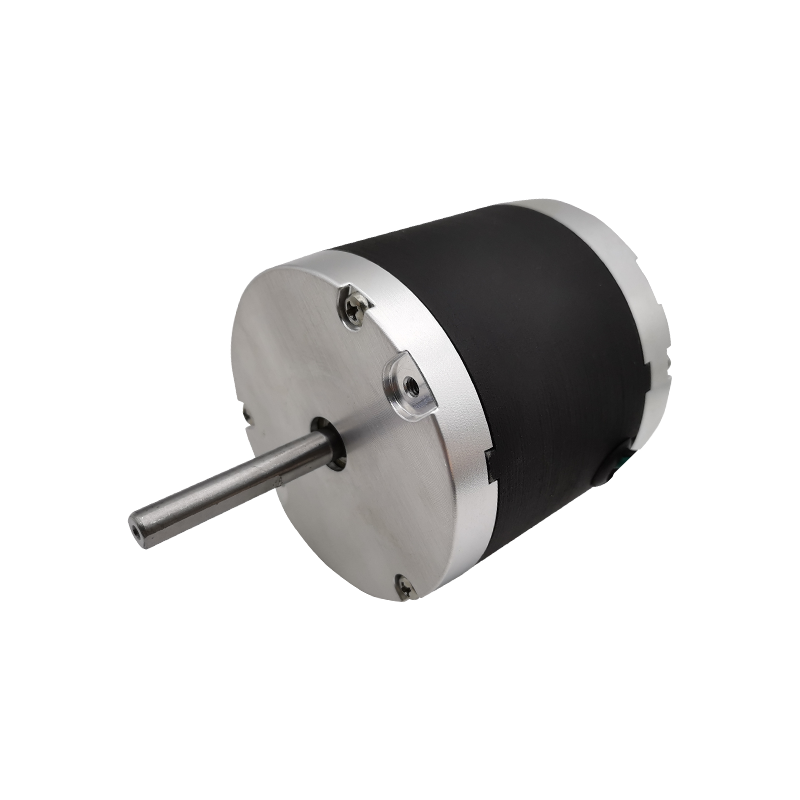
The search query how to choose a coreless dc motor for precision devices often comes from engineers seeking detailed selection criteria. Choosing the right motor requires evaluating torque demand, speed range, load characteristics, control method, and thermal conditions. Coreless motors provide exceptional precision, but selecting the optimal model ensures the desired performance outcome. Additionally, SEMrush data shows rising interest in selection guides and comparison articles, indicating users need practical, decision-focused content. Engineers must consider environmental factors such as temperature stability, continuous torque rating, and compatibility with feedback mechanisms. Proper sizing not only maximizes performance but also ensures energy efficiency, durability, and smooth control in sensitive applications.
A balanced understanding of the coreless dc motor advantages and disadvantages is essential for realistic expectations. While these motors deliver high efficiency, low inertia, and smooth motion, they may also exhibit limitations depending on the application. For instance, their lightweight winding structure may offer less robustness than iron-core designs in high-shock environments. Additionally, costs can be higher due to the precision manufacturing required. SEMrush keyword patterns suggest that users actively seek honest pros and cons to guide their purchase or design decision. Therefore, evaluating both sides allows engineers to assess whether the performance gains justify the investment for their specific application.
| Aspect | Advantage | Disadvantage |
| Performance | High precision | May require advanced control |
| Durability | Low wear | Less suitable for heavy impact |
| Cost | Energy savings | Higher initial cost |
Yes. Coreless motors eliminate iron-core losses, resulting in lower heat generation, smoother torque output, and reduced power consumption. Their lightweight rotor design minimizes inertia, allowing for faster acceleration and better energy efficiency in portable or battery-driven devices.
Applications requiring fast actuation, high precision, or ultra-smooth motion benefit most. This includes robotics, medical devices, micro-actuators, camera stabilization systems, and measurement tools where responsiveness and accuracy are crucial.
Lifespan depends on load, temperature, operating speed, and environmental conditions. In typical precision environments, coreless motors can last thousands of hours due to minimal mechanical friction. However, high-impact or high-heat environments may reduce lifespan.
They can be used with standard controllers, but high-performance applications often benefit from advanced control systems to maximize smoothness and accuracy. Proper control tuning ensures optimal speed regulation and responsiveness.
Key factors include winding configuration, magnetic field strength, supply voltage, load inertia, and system temperature. Matching motor characteristics to application demands ensures stable torque and efficient operation.
1. Introduction: Deconstructing AC Induction Motor Horsepower The AC Induction Motor is one of the m...
READ MORE1. Introduction In modern industrial automation, data center construction, consumer electronics upgr...
READ MOREStepper motors represent a cornerstone of modern motion control, offering precise positioning and re...
READ MOREThe industrial motor landscape is undergoing a significant transformation, driven by the relentless ...
READ MORERelated Products
Building 10, No.199, Jinfeng Road, Suzhou High-tech, Jiangsu Province, China
+86-133 3869 4967
+86-512 6876 9967
sean@retekmotion.com
rsgrivic@126.com
 WhatsApp
Copyright © Jiangsu Retek Motion Co., Ltd. All Rights Reserved. Custom OEM Industrial Multi Rotor Drone Motors Manufacturers